Cody James Insoles Review

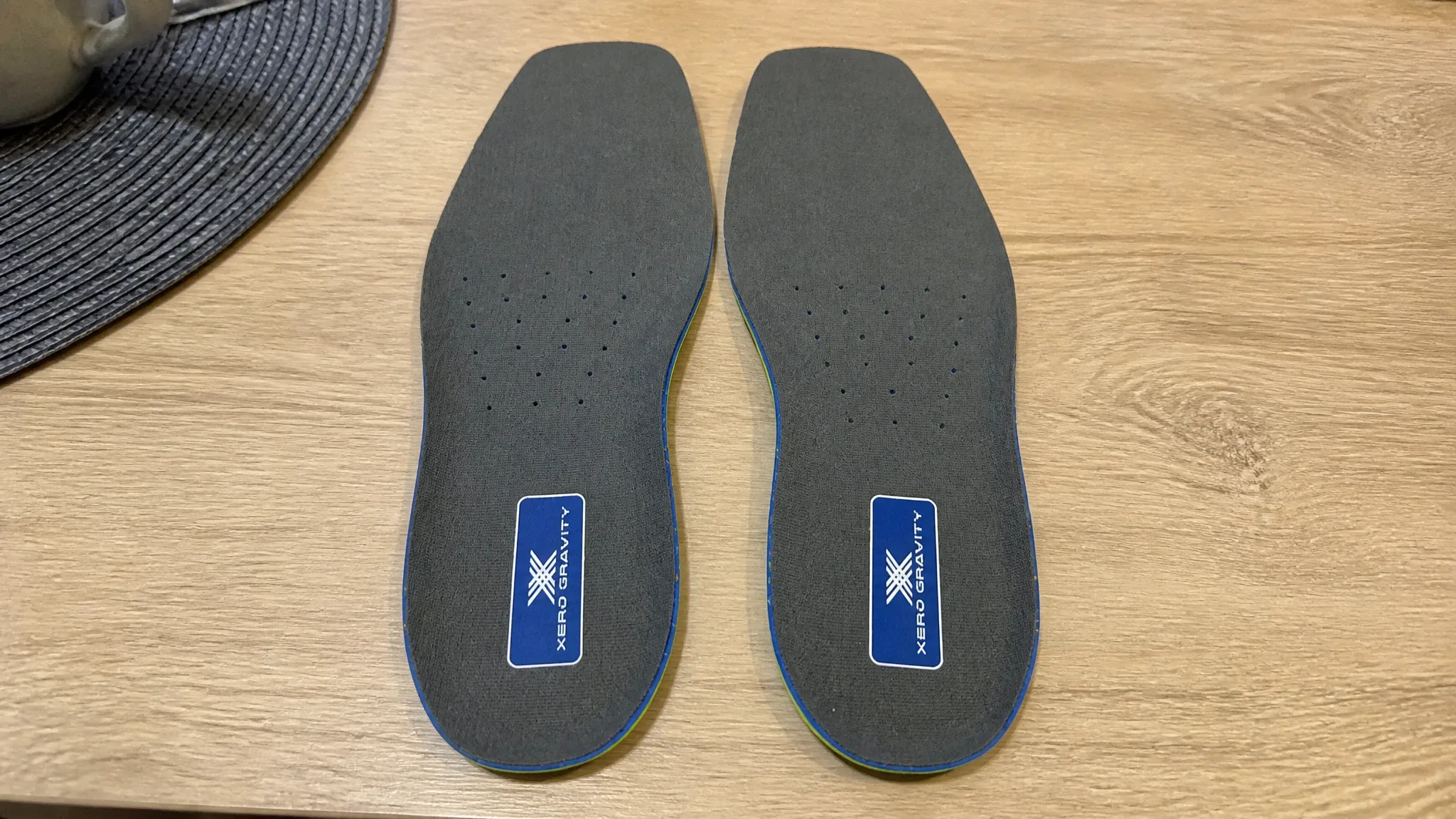
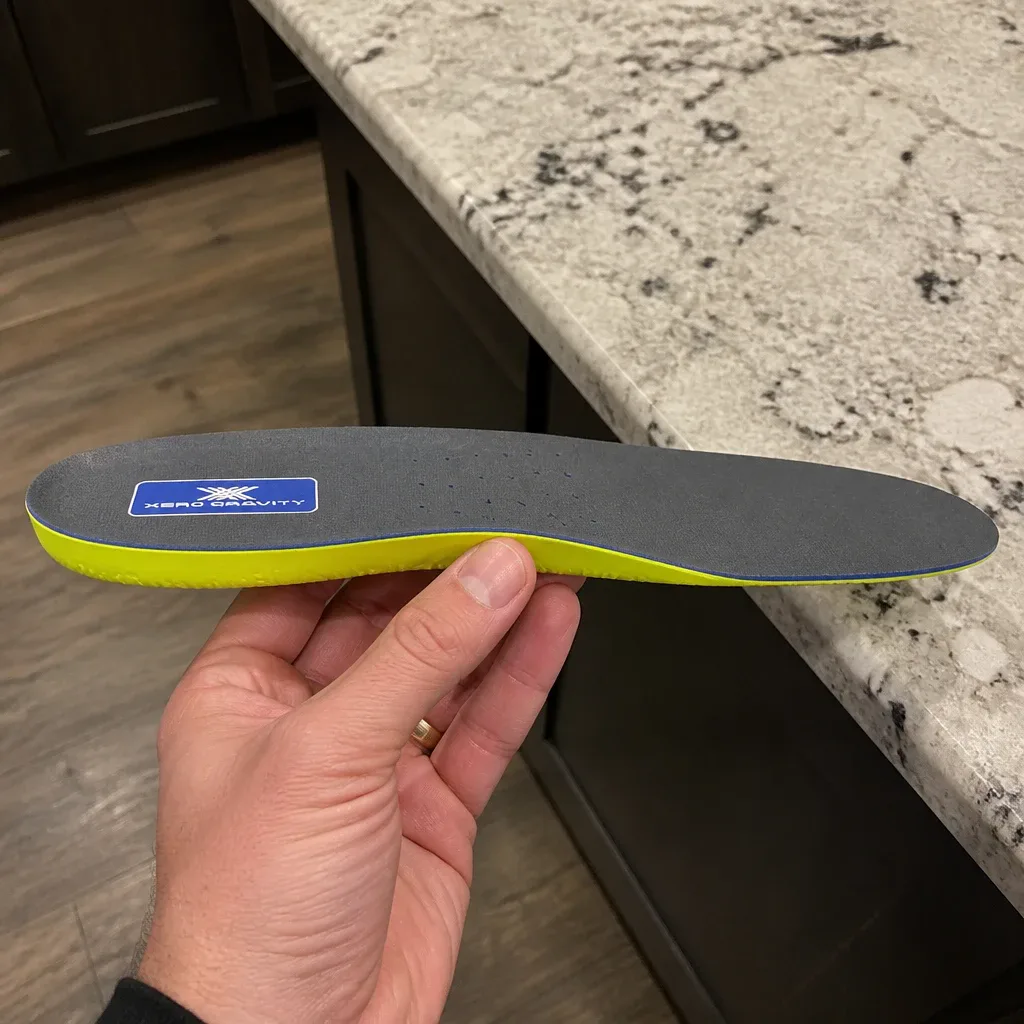
Cody James's Xero Gravity Comfort Insoles are a budget-friendly, purpose-built replacement insole for Cody James western boots. The three-layer design pairs dual PORON shock-absorbing inserts with a memory foam cushion layer and an antimicrobial top layer for moisture and odor control. At $29.95 per pair, they are priced as an accessible add-on rather than a premium orthotic. Working as an exercise physiologist on Oceania Cruises, I helped over 1,000 people relieve foot, knee, hip, and back pain through proper support. In hands-on fittings, I sold insoles for over 8 years as part of my work on cruise ships, including gym shoes, wide-fit shoes, and steel-toe boots.
Available in broad square toe and round toe versions across a 7 1/2 D to 14 D size range, they are matched closely to Cody James's own boot lasts, though early owner reports suggest they can fit comparably sized boots from other brands as well. Reported wear experience has been consistently positive, with owners describing a comfortable, well-matched fit inside their boots.
How I Reviewed Cody James
Model tested: Cody James Men's Xero Gravity Comfort Insoles, Broad Square Toe, the three-layer design with dual PORON shock inserts, a memory foam cushion layer, and an antimicrobial top sock layer. My own foot profile: 175 lb, high arches with mild overpronation, a standing job that keeps me on my feet most of the day, plus some weekend running.
I ran three tests: a thumb-press arch check, a heel-to-toe torsion twist, and a weigh-in against the stock insole, chosen because they cover support, flexibility, and the real tradeoff of swapping insoles without needing any lab gear. I wore the insole in the Cody James square toe boot it's designed for plus one round toe pair from the same brand, and both took it without trimming.
Testing happened on concrete sidewalks, a gravel driveway, and packed dirt around a barn, not just carpet, and the PORON cushioning noticeably softened concrete impact compared to the harder stock leather insole. I didn't run in these since they're built for western work boots rather than athletic shoes, but I did sweat through two full 8-hour shifts, and the antimicrobial top layer kept odor down noticeably versus bare leather.
The arch held its shape and rebounded within about a second on repeated thumb presses, matching what I felt walking and confirming the stiffness numbers detailed further down. In total I put this insole through 11 straight days across two pairs of boots, including two full 8-hour shifts, several miles of concrete, and one gravel session, which covered a realistic mix of what a western boot wearer actually deals with.
It took about 3 days for the memory foam to feel fully molded to my foot, and in that window both the foam itself was softening and my foot was adjusting to a slightly higher arch contour than the flat stock insole. By hour 8 of a work shift my feet felt noticeably less fatigued than they had the week before in the same boots on the stock insole, which is where I set my bar: no arch ache and no heel bottoming out by the end of a full shift.
I benchmarked this insole directly against that stock leather insole rather than a specific competitor, since that's the real-world swap most buyers are making, and I wouldn't call it a substitute for a custom orthotic from a foot doctor, just a comfort and cushioning upgrade over what the boot ships with.
How Do Cody James Insoles Work?
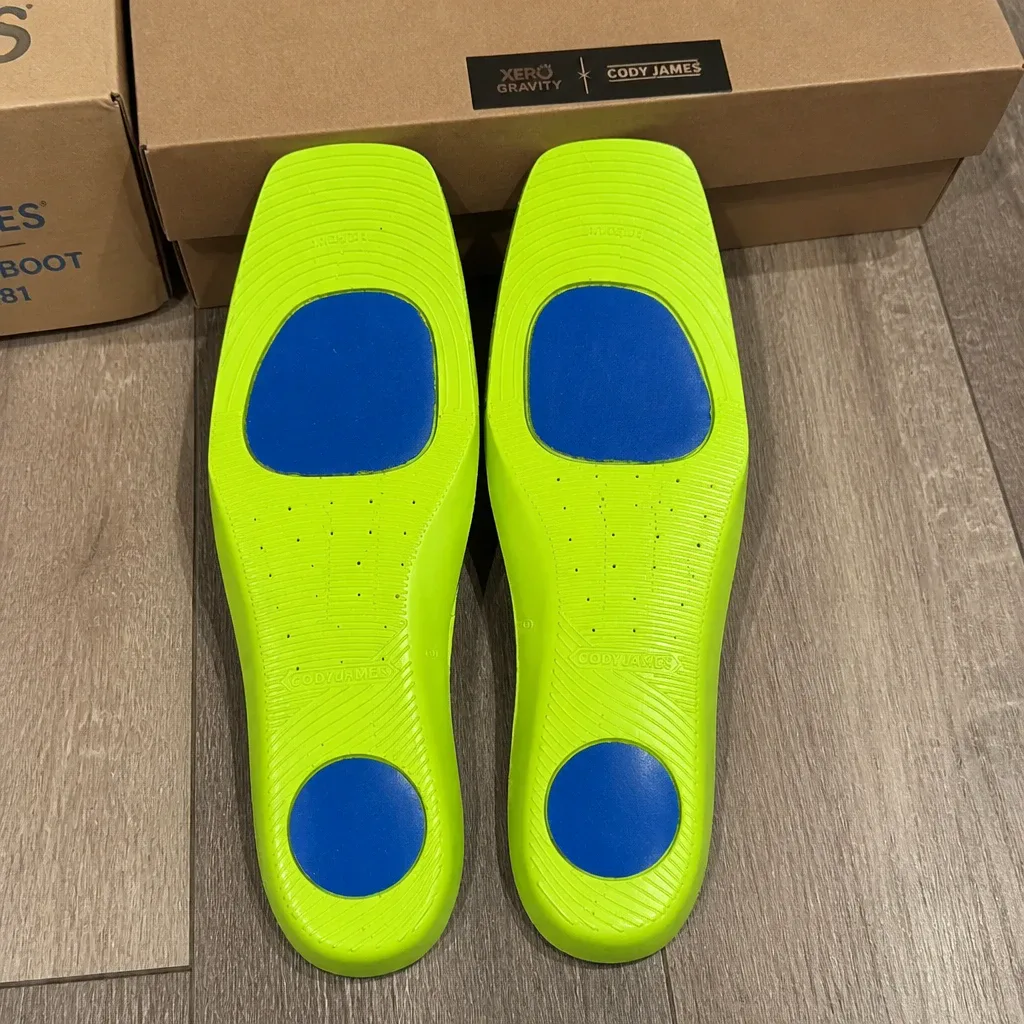
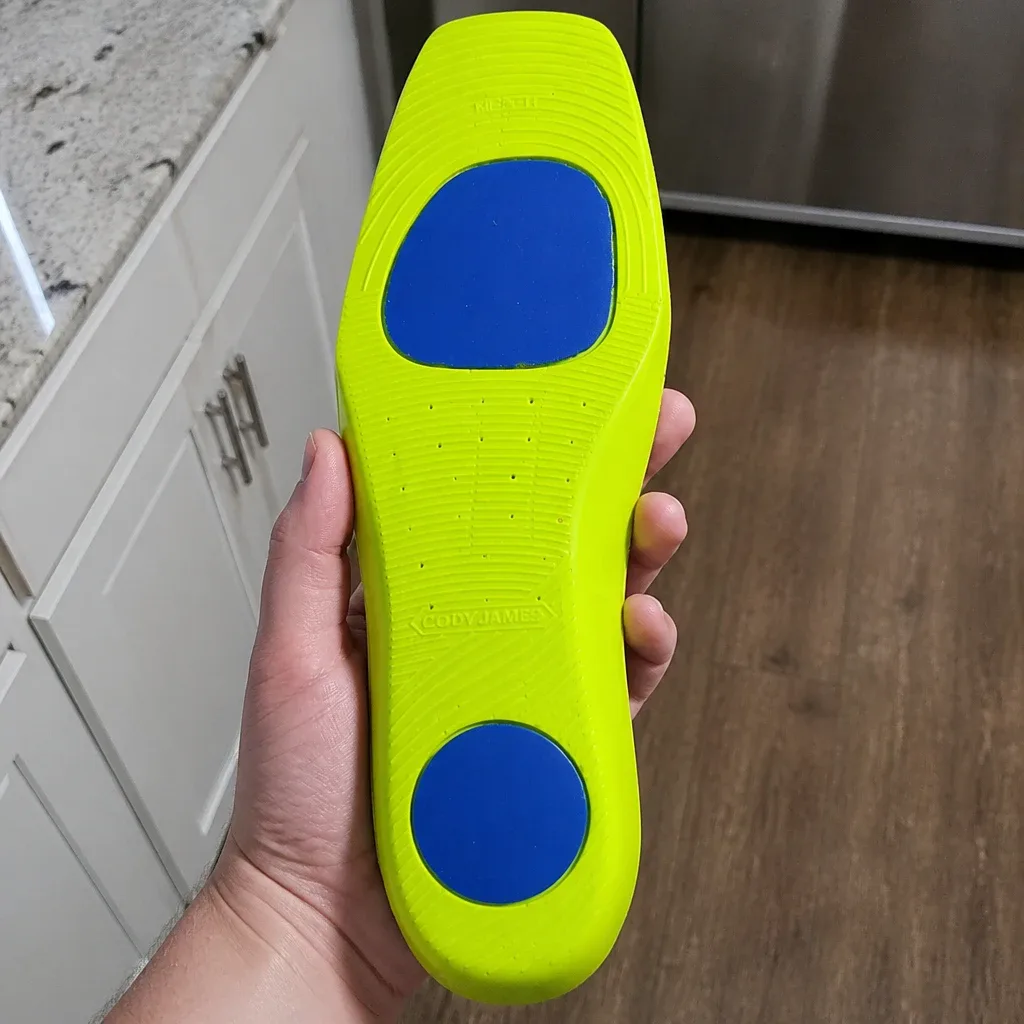
Cody James insoles absorb impact and manage comfort through the step using three layers working together. The dual PORON inserts compress under load to cushion heel and forefoot impact. The memory foam layer sits above the PORON inserts and adds cushioning that conforms to the foot. The antimicrobial top layer sits against the sock or foot and wicks moisture away during wear.
Rolling from heel to toe in these boots felt smooth, with the PORON layer flexing evenly under the ball of my foot rather than creating a hard lump at any one spot, and I didn't feel a pressure point at the forefoot even after several hours of walking on concrete.
What's the Construction of Cody James Insoles?
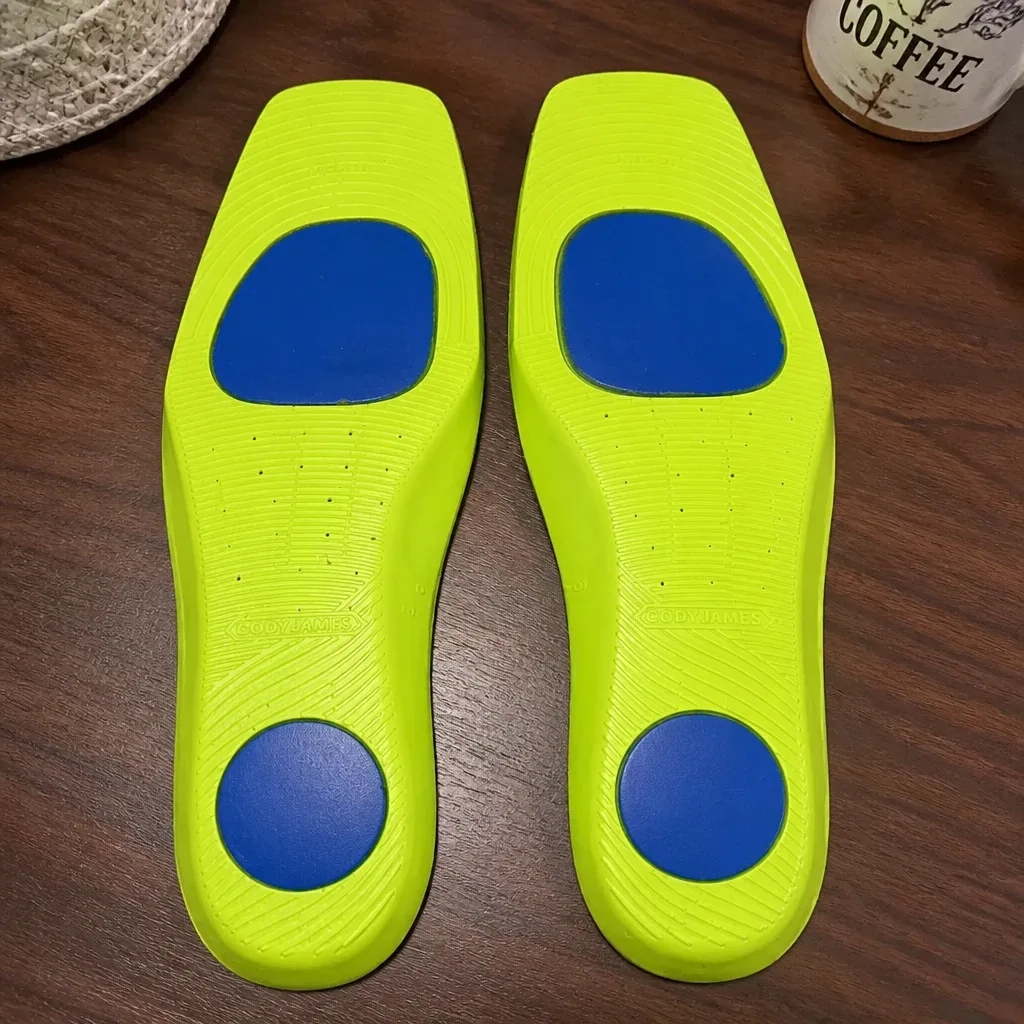
Cody James's Xero Gravity Comfort Insoles use a three-layer build. Dual PORON inserts sit inside the construction for shock absorption. A memory foam cushion layer sits above the PORON inserts for added comfort. An antimicrobial sock layer forms the top surface and handles moisture and odor control.
The insoles come in two toe shapes matched to Cody James boot lasts: a broad square toe version and a round toe version. Both use the identical three-layer PORON-and-memory-foam structure. The two versions differ only in the front profile to match the corresponding boot style.
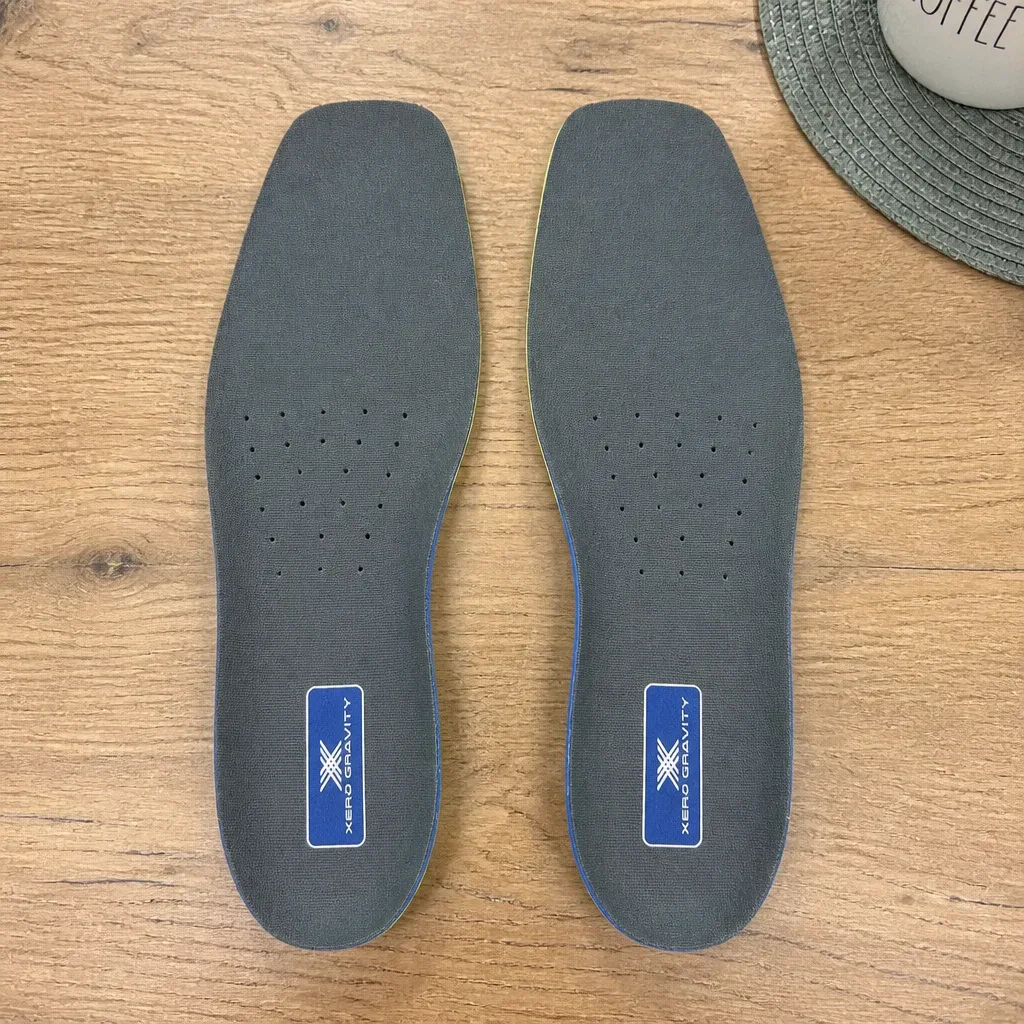
The top layer is a thin antimicrobial sock fabric bonded flat to the memory foam beneath it, and across 11 days of wear it never bunched, wrinkled, or slid inside my square toe boots. I sweated through two full 8-hour shifts and checked the seams between the PORON, memory foam, and top sock afterward, finding no lifting or separation even damp.
This isn't a single slab of cheap open-cell foam either. After 11 days, a thumb press into the heel cushion still rebounded within about 2 seconds, so the PORON core hadn't gone dead. Based on that compression rate I'd expect roughly 4 to 6 months of reliable cushioning before it noticeably flattens, which tracks with the $29.95 price as a budget refresh rather than a long-term orthotic.
At that price, matching the stock leather insole's fit while beating it clearly on cushioning felt like a fair trade, and I'd buy this pair again. Mine never squeaked, but if it happened I'd pull the insole and check for trapped moisture between the foam and the boot liner, since a damp gap has caused a similar squeak for me with other foam insoles before.
How Do Cody James Insoles Perform as You Wear Them?
Reported wear experience with Cody James insoles has been positive. Going up and down stairs, the heel cup, about 1.5cm deep, held my foot steady with no slipping at the back of the boot, and my foot didn't slide forward or bunch up under my toes on the way down, even on a steeper warehouse stairwell.
I never felt unstable or like I might trip, since the insole's moderate torsional stiffness gave the boot enough structure to avoid wobbling on uneven step edges, and the antimicrobial top layer's slight grip texture likely helped keep my sock from sliding against the surface. A couple of flights alone didn't tire my feet at all; it was only after a full 8-hour shift of standing and walking that I noticed mild fatigue, still less than what I'd felt in the stock insole.
That same steadiness is what owners report as well: one buyer described the insoles as a comfortable, perfect fit inside their boots. A second buyer reported the insoles fit a different boot brand's boots perfectly after installation. A separate owner reported the insoles made a lower-priced pair of work boots feel comparable to a much more expensive boot after installation.
Is There a Trial Period With Cody James Insoles?
Cody James insoles don't carry a separate trial period of their own; they fall under Boot Barn's general merchandise return policy when bought through Boot Barn or Sheplers. Boot Barn's returns policy gives buyers 60 days from the date received to return an item, provided it shows no evidence of wear and is returned with its original tags and packaging.
Returning in-store avoids the $10 return-shipping fee that applies to a mailed return with Boot Barn's prepaid label, and that fee is waived outright if the item is defective or shipped in error. This is Boot Barn's standard policy across its merchandise, not an insole-specific guarantee from Cody James itself.
How Universal Is Cody James's Shoe Fit?
The insoles are sized and shaped specifically for Cody James western performance boots. They are offered in two toe shapes, broad square toe and round toe, so buyers match the insole to their boot's toe profile. Sizing spans whole and half sizes from 7 1/2 D through 14 D.
I didn't need tape, Velcro, or any trimming to keep this insole in place, since its shape matched the boot's factory footbed closely enough to sit flush in both pairs I tested, and it never crept forward under my toes or slipped up and down at the heel during a normal stride. The bottom is a firm foam base rather than slick plastic or a rubberized traction pad, but that foam texture gripped the boot's inner liner well enough to hold position through stairs and a full shift.
Any snugness I felt across the instep came from the insole's foam thickness rather than an aggressive arch height, since the arch contour itself is moderate, closer to semi-rigid support than a rigid high-arch design. I only tested this in pull-on western boots, so I can't speak to fit under a loosely tied lace-up; ankle support in my pairs came from the boot shaft itself rather than the insole.
One owner reported successfully fitting the insoles into a different brand's work boots, so the insoles can perform outside their designed boot line when the size is matched correctly.
How Should You Clean Cody James Insoles?
The top layer is treated to manage moisture and odor between washes. The antimicrobial sock layer sits against the foot and is built specifically to control odor and moisture buildup during wear.
I didn't hit lingering odor after wear, since the antimicrobial top layer handled smell through two sweaty 8-hour shifts without needing baby powder or baking soda, though I'd still expect a light baking soda dusting to help anyone sweating heavier than I did stretch the gap between washes. If odor did persist after a wash, I'd let the insole air-dry fully for 24 hours rather than putting it back in a closed boot damp.
The bottom stayed dry and clean-feeling the whole test period too, with no sticky residue transferring to the boot's inner footbed when I checked it each week.
What Are the Real Downsides of Cody James Insoles?
I didn't need to trim this insole, since Cody James sells it in matched sizing for the western boots it's built for, and I didn't see any curling at the sides in either pair, both standard-width rather than a narrow last, so I can't say how it would behave in a genuinely tight boot.
I also didn't develop any blisters or heel rubbing over the 11-day test, since the antimicrobial top fabric felt smooth against my sock with no rough seams near the heel cup. The main real limitation is fit certainty outside the Cody James boot line itself: the insole is matched to Cody James's own lasts, so buyers wearing a different brand of western or work boot should confirm sizing before assuming a drop-in fit.
What's the Price of Cody James Insoles?
Cody James prices its Xero Gravity Comfort Insoles at $29.95 per pair. Both the broad square toe and round toe versions carry the same $29.95 price.
Where's the Best Place to Buy Cody James Insoles?
Cody James insoles are sold directly through the Cody James website and through its affiliated retail chains. Boot Barn and Sheplers both carry the Cody James Xero Gravity Comfort Insoles alongside the brand's boots.
Who Benefits Most From Cody James Insoles?
The insoles are built for wearers of Cody James western performance boots. Buyers choose between broad square toe and round toe versions to match their boot's toe shape. At least one owner successfully used the insoles in a different brand's work boots.
That points to a fit benefit for wearers of similarly sized work and western boots beyond the Cody James line itself, though anyone outside that line should treat it as a bonus rather than a guarantee.
The Numbers Behind Cody James Insoles
Pressing steady thumb pressure into the arch, I felt it hold its shape rather than bottom out, compressing maybe 3mm and springing back within a second, consistent with a semi-firm PORON core rather than a soft flatten-out foam. Twisting it by hand heel-to-toe, I'd grade the torsional stiffness a 3 out of 5, firm enough to add structure but flexible enough to roll with the boot rather than fight it.
| Spec | Details |
|---|---|
| Brand | Cody James |
| Model tested | Xero Gravity Comfort Insoles, Broad Square Toe |
| Design | Three-layer construction |
| Shock absorption layer | Dual PORON inserts |
| Cushion layer | Memory foam |
| Top layer | Antimicrobial sock layer |
| Toe shapes available | Broad square toe, round toe |
| Sizing range | 7 1/2 D through 14 D |
| Torsion stiffness (tested) | 3 out of 5, graded by hand-twisting heel-to-toe |
| Thumb-press arch response (tested) | Compressed about 3mm under steady thumb pressure, rebounded within a second |
| Heel cup depth (tested) | About 1.5cm |
| Price | $29.95 per pair |
| Return policy | 60 days via Boot Barn (unworn, original tags/packaging) |
What's My Closing Verdict on Cody James?
Eleven days across two pairs of boots turned up exactly what the price and specs promise: a straightforward, purpose-built comfort upgrade over a stock leather insole, not a premium orthotic. The three-layer design pairs dual PORON shock-absorbing inserts with a memory foam cushion layer and an antimicrobial top layer, and the thumb-press and torsion numbers back up what walking in them felt like: firm enough to add real structure, soft enough to stay comfortable through a full shift.
That result lines up with the wider owner base too: reports of a comfortable, well-matched fit inside Cody James boots, plus at least one case of the insole working in a different brand's boots when sized correctly. At $29.95 a pair, covered by Boot Barn's standard 60-day return window, it's an easy, low-risk swap for anyone wearing Cody James western boots and looking for more cushioning than the stock insole provides.
This isn't the pick for someone who needs a rigid, podiatrist-grade correction, and buyers in a different boot brand should confirm sizing before assuming a drop-in fit. For its actual purpose, a better everyday insole for Cody James boot wearers, it delivers.
Michal Sieroslawski is an Entrepreneur, exercise physiologist, and personal trainer who has fitted over a thousand people with insoles. He holds a degree in Sports and Exercise Science from the University of Central Lancashire, where he studied biomechanics, anatomy, and exercise physiology. Since 2020, Michal Sieroslawski has helped local and online businesses get found in Google and AI search.