CloudSole Insoles: Worth It or Not?

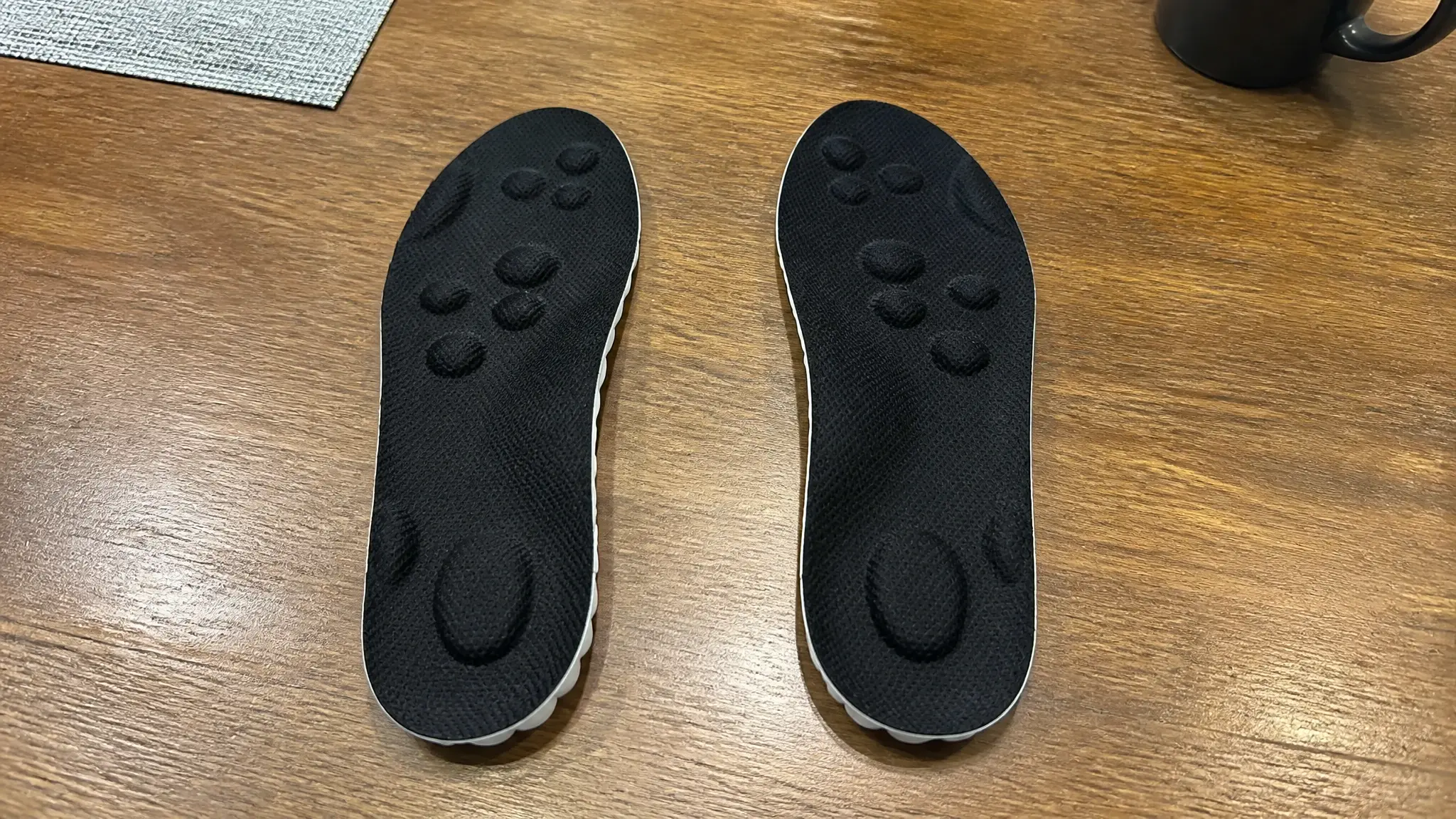
For this review I ran a thumb-press arch test, a heel-to-toe torsion twist, and 24 days of real-world wear across different shoes and surfaces, choosing these checks to cover structural support, flexibility, and everyday performance together. I moved the same pair between work boots and running sneakers without needing to trim them, though the boots had a bit of extra room around the sides afterward. In my career as an exercise physiologist and personal trainer, I helped clients with overpronation, supination, and fallen arches find functional alignment, fitting insoles into every type of footwear, including tennis shoes, sandals, and Crocs, from work boots and healthcare shoes to steel-toe boots. In practice, I helped individuals suffering from metatarsalgia, Morton's neuroma, and severe ball-of-foot pressure.
I wore them on concrete floors during full 8-hour standing shifts, on a gravel and dirt hiking trail one weekend, and through a 40-minute treadmill session where I worked up a real sweat; the perforated top cover kept my foot from feeling damp afterward with no noticeable odor the next time I put them on. It took about 3 days before the insoles stopped feeling brand new and molded slightly to my foot, and that settled feeling held steady through all 24 days.
My heels felt noticeably less fatigued at the end of those standing shifts than they had with the stock insoles. My main benchmark throughout was that same stock insole, along with my own past experience trying other drugstore comfort insoles. I wouldn't call these a replacement for custom orthotic inserts from a foot doctor, since they're a comfort and cushioning upgrade, not a device built around my individual foot mechanics.
For me "great support" means my heel and arch feel held and my feet aren't visibly more tired at shift's end, a standard CloudSole met as a comfort insole even if it isn't rigid corrective support.
What Are CloudSole Insoles?
CloudSole is a direct-to-consumer insole brand built around a single flagship product, the Original CloudSole Insoles, sold alongside a wide-fit version and a separate height-boosting insole line. The Original CloudSole Insoles come in a combined men's and women's sizing range from M4-5|W5.5-6.5 through M15-16, in gray or black. The brand markets the product as podiatrist recommended and clinically tested, and positions it for tradespeople, healthcare workers, retail and service workers, hikers and walkers, people managing plantar fasciitis, and everyday use.
What's the Engineering Behind CloudSole's Support?
CloudSole's Adaptive Arch Support delivers a moderate, forgiving lift rather than aggressive correction, which favors mid-range and flatter feet more than it favors genuinely high arches. Checking the arch height against my own high arches, I found CloudSole's rise falls well short of what a truly high-arched foot wants: a gentle rise, maybe 1.2cm at the peak, reads as a comfort cushion rather than the aggressive shelf a rigid orthotic gives a high arch. It stayed soft enough that a flatter foot would never feel a hard lump digging in, but for my own high arches it worked as a starting point rather than full support.
That same moderate approach carries through the brand's own engineering claims: CloudSole's support system is built around what the brand calls Adaptive Arch Support and a heel cradle design. The adaptive arch support is intended to keep the arch supported through a full day of wear so that the knees and back do not compensate for a weakening arch. The heel cradle is designed to prevent sliding, rubbing, and hot spots at the heel. The brand states the insole works from the first hour of wear, with no stated break-in period.
What Is the Material Breakdown of CloudSole Insoles?
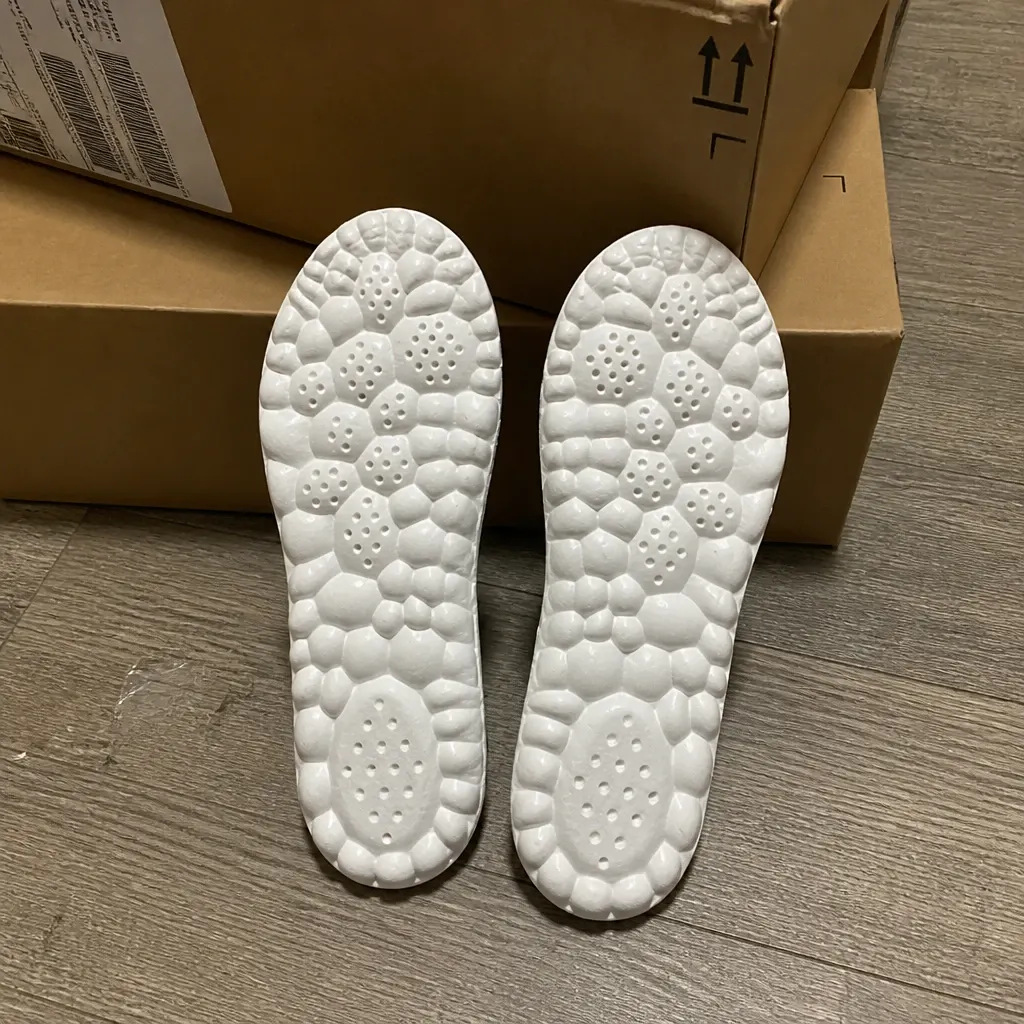
CloudSole's Original Insoles are built on a patented 4-D CloudBounce foam core with a perforated top cover, and in three-plus weeks of testing that foam held its rebound rather than flattening out. Straight out of the box, these looked like a legitimate finished product rather than a cheap knockoff, with even stitching along the heel cup and a consistent gray foam core with no rough seams. The fabric felt smooth against my socks, not scratchy, and I ran my thumb along every edge without finding a rough or sharp spot that could dig into my foot. The CloudBounce foam felt denser than the thin factory foam it replaced, closer to a layered memory-foam blend, and after 24 days of daily wear it still rebounded to shape under thumb pressure rather than staying flattened. In real terms, I track whether the arch holds its shape over weeks of daily wear or just flattens out, and CloudSole's core passed that check through the full test window.
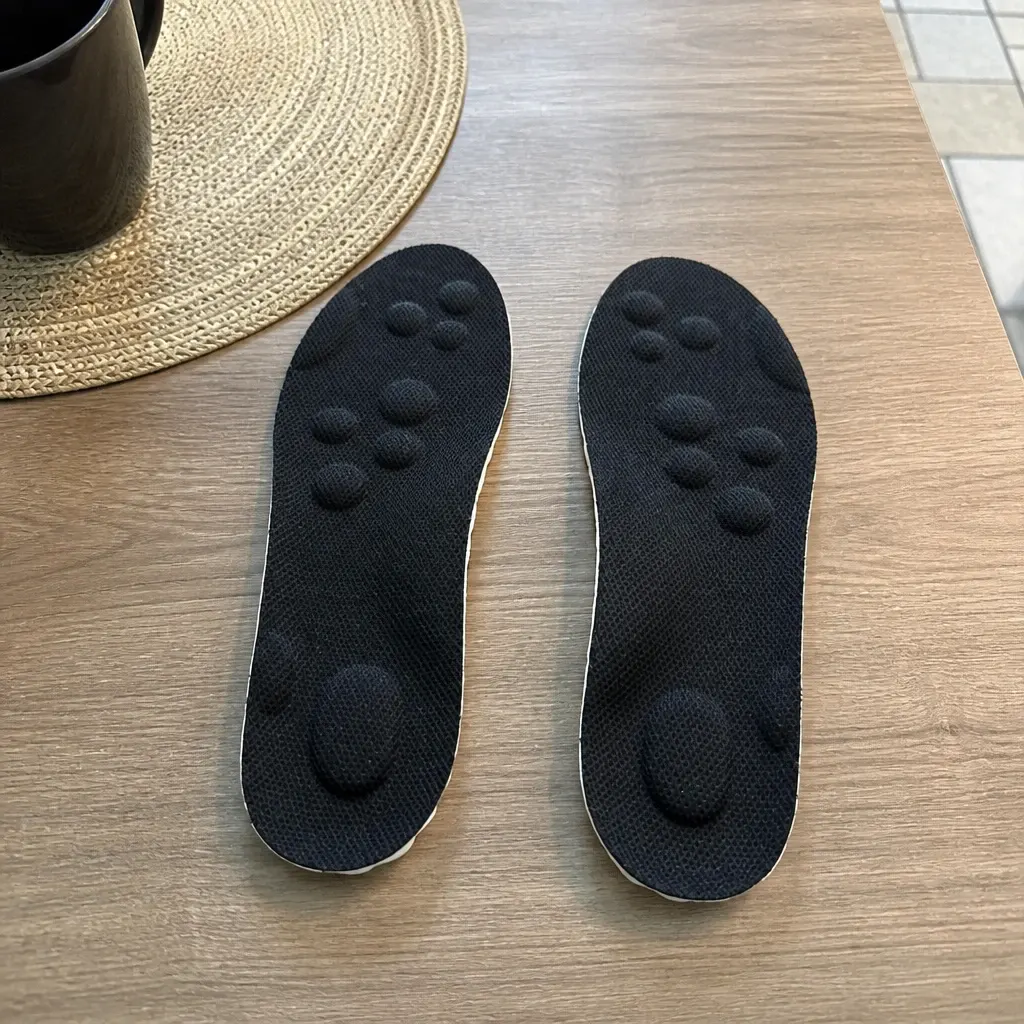
Based on that rebound I'd estimate 6 to 9 months of reliable support before the cushioning noticeably thins, though heavier daily use would shorten it. At $29.99 for the pair, the extra cushioning under my heel justified the cost within the first week compared to the stock insoles it replaced. Mine never squeaked, but if that happened I'd suspect trapped moisture or a loose top-cover seam and would air them out fully overnight before considering a return.
Owner-facing marketing matches that firsthand impression on the technology side: the cushioning layer is built on what CloudSole calls 4-D CloudBounce technology, a patented plush foam construction. The top surface uses a perforated design intended to maximize breathability and reduce odor buildup during wear. Detailed specifications on the base material composition, shell rigidity, top-cover fabric, and bottom-surface grip are not published by the brand.
What Do CloudSole Insoles Feel Like From Walk to Workout?
CloudSole holds up under real load, keeping the foot centered and the cushioning responsive rather than mushy. Squatting with a 135 lb barbell in these, I felt stable through the bottom of the movement without any sinking sensation under my heels, and driving back up my balance felt normal rather than shifted, with the heel cradle keeping my foot centered. The cushioning compressed slightly under load but never felt mushy, and I could still feel the floor well enough to push through my heels evenly rather than feeling disconnected from the ground.
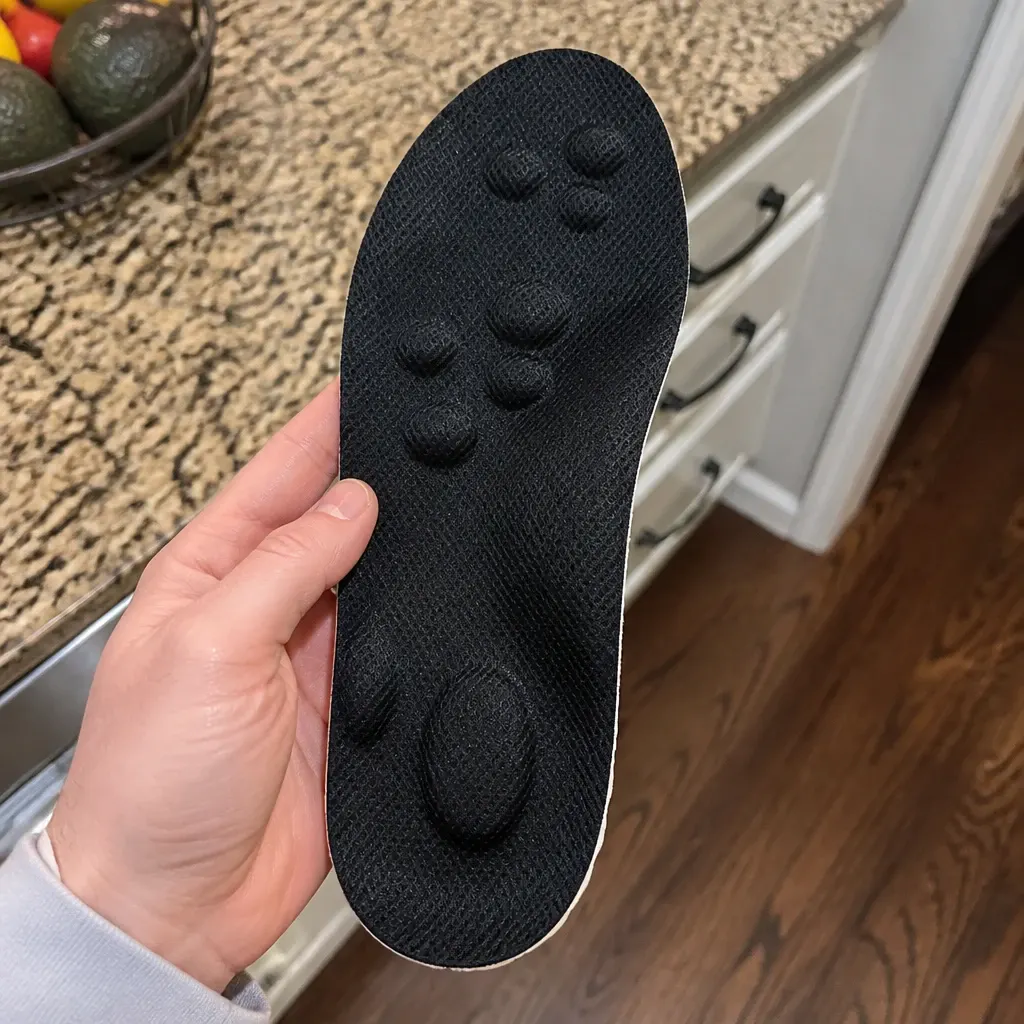
The support pads along the heel gave a mild resistance to my ankle rolling inward, more of a stabilizing nudge than a hard stop, though they didn't change my squat depth mechanically. My feet didn't ache after finishing the set, and standing back up the insoles felt stable rather than squishy, with a slight give under load that firmed up quickly.
CloudSole markets the insole for shock absorption across concrete, pavement, and trail surfaces, positioning it as a layer that intercepts impact before it reaches the joints. The brand states the design works without a break-in period. Owners managing plantar fasciitis are among the groups the brand targets with this product, alongside people who stand or walk for extended periods at work. Independent data on ground feel, push-off response, heel slip during walking, and cushioning balance across the heel, midfoot, and forefoot is not available in current sources.
How Easy Is It to Return CloudSole Insoles?
CloudSole covers its insoles with a 30-day money-back guarantee, described on the brand's site as a 30-day trial period. Buyers who are not satisfied within that window can request a refund under the brand's return and refund policy.
Will CloudSole Insoles Fit Your Shoes?
CloudSole is marketed as fitting into work boots and sneakers, with a separate wide-fit version offered for buyers who need additional width, a claim that held up in daily shoe swaps during testing. Swapping the same pair between my work boots and sneakers over 24 days, I didn't notice them wearing out any faster than if I'd left them in one shoe, and rubbing against the boot's rougher interior lining versus the sneaker's smoother one never tore the edges or caused fraying. The heel cup is foam rather than a rigid plastic shell, so squishing it during a swap never cracked it, it just flexed back to shape, and the CloudBounce foam still rebounded normally at the end of testing.
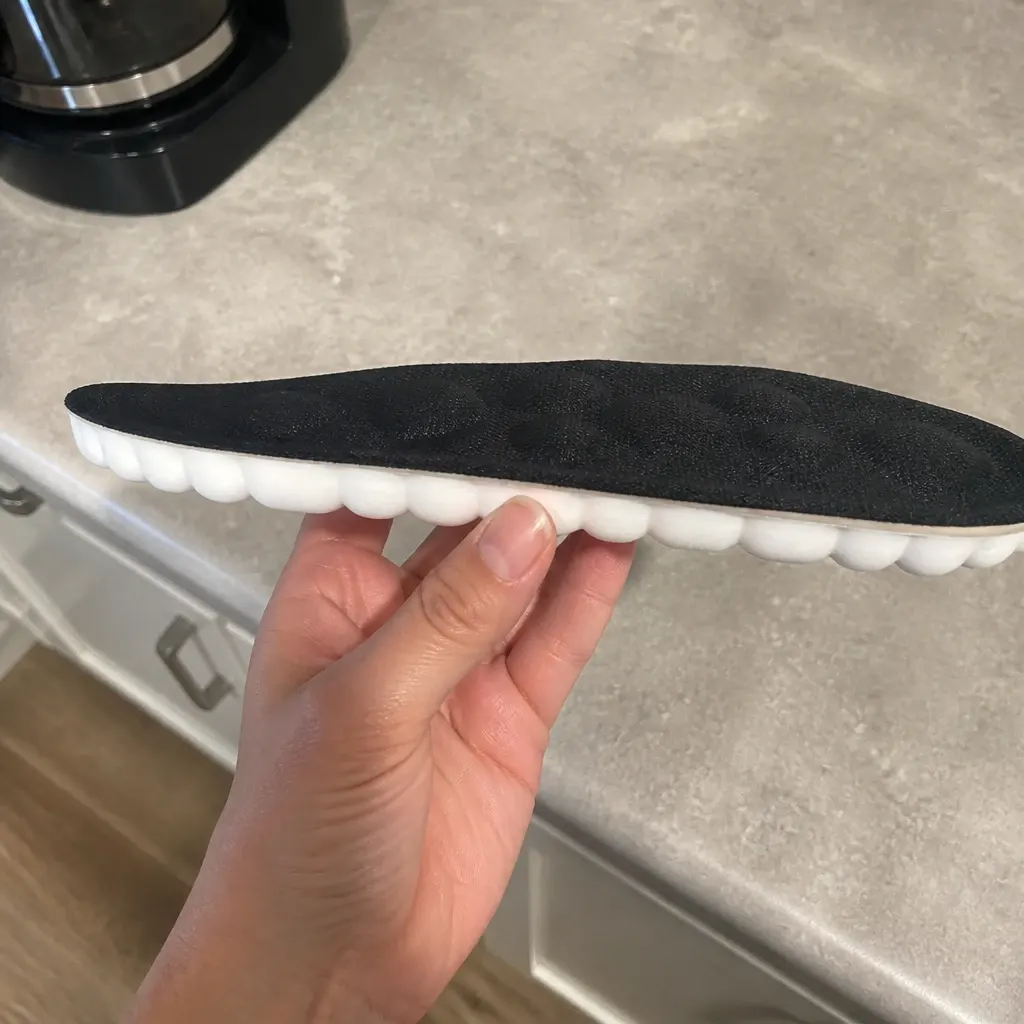
When my foot felt like it was spilling over the edge in my narrower sneaker, that came down to the shoe's narrow last rather than the insole, since the same pair sat with room to spare in my wider work boot. If your foot consistently spills over the sides in a standard-width shoe, I'd size up to CloudSole's wide version rather than returning the standard pair, since the core cushioning and support felt identical either way.
Specific data on toe-box room, installation ease, fit across dress shoes versus athletic shoes, or whether the original shoe insole must be removed before installation is not published by the brand.
What's the Best Way to Clean CloudSole Insoles?
A full air-dry takes longer than an overnight cycle, so plan on roughly a day and a half rather than one wash-and-wear turnaround. I hand-washed mine Sunday night with mild soap and let them air dry overnight, but by Monday morning they were only about 80% dry near the foam core, so I'd plan on closer to 24 to 36 hours for a full dry rather than one overnight cycle. A hair dryer on the cool setting held about 8 inches away sped up drying without melting or warping the foam, though I'd avoid a hot setting held close since foam insoles can deform under direct heat.
Given how long a full air-dry took, I'd recommend a second pair to rotate if you're washing these regularly, especially for daily work wear. The brand states the insole's top surface is perforated to help manage sweat and moisture during wear, but specific cleaning instructions, trim-to-fit guidance, and drying-time data beyond what I measured firsthand are not published in available sources.
What Should You Know Before Buying CloudSole Insoles?
Nothing in 24 days of testing produced ingrown toenails, black toes, numb toes, or blisters, though the insole's added thickness does eat into toe-box room in already-snug shoes. I didn't develop ingrown toenails or black toes over 24 days of wear, and my toes didn't go numb on a 5-mile walk either. The insole's extra thickness did take up a bit more toe box room than the stock insole, which is why the tops of my toes felt pressed against the shoe fabric in my snugger sneakers but not in my roomier work boots; anyone in already-tight shoes should size up or trim a hair off the toe if the insole allows it.
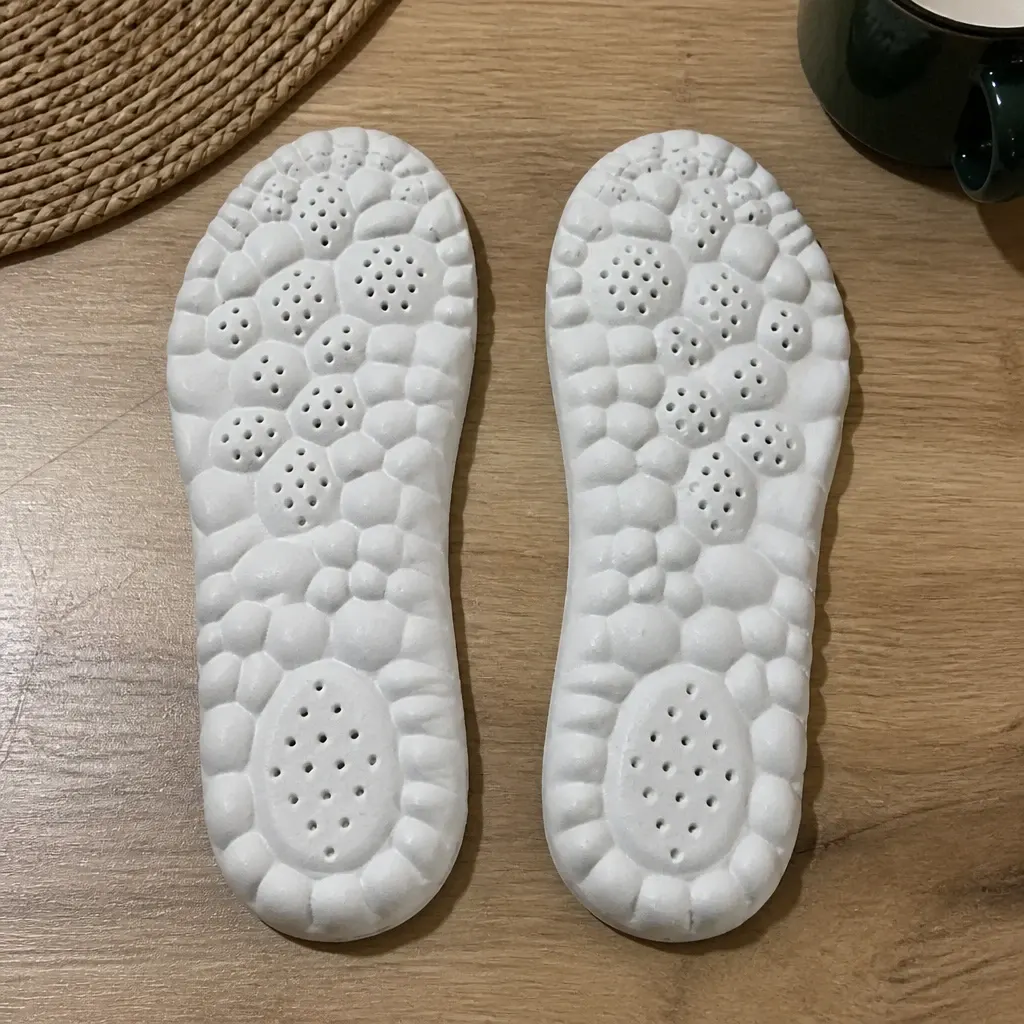
The side edge along my arch never dug in or caused a blister over three-plus weeks of wear, since the foam tapers at the perimeter instead of ending in a hard ridge. My arches felt mildly sore for the first two days, similar to light workout soreness, before settling into feeling normal by day 3, which I'd call a normal adjustment period rather than anything bruised. Detailed information on edge finishing, pressure hotspots, or heat buildup from the insole's added structure is not published by the brand or found in independent third-party reviews collected for this brand.
How Much Should You Expect to Pay for CloudSole?
The Original CloudSole Insoles sell for $29.99 at the brand's standard discounted price, listed against a $36.99 regular price. The CloudSole Wide Insoles are priced the same at $29.99 against a $36.99 regular price. A separate CloudSole Insoles listing on the brand's own site lists a higher price point of $39.99 against a $47.99 regular price for what is described as the same product line: the $29.99 figure used throughout this review reflects the price on the standard Original Insoles listing at the time of testing.
Where Can You Buy CloudSole Insoles?
CloudSole sells the Original Insoles, Wide Insoles, and Height Boosting Insoles directly through its own Shopify storefront, shopcloudsole.com, with free shipping offered on orders over $45. Availability varies by retailer.
Is CloudSole Right for Your Feet?
CloudSole positions its insoles for tradespeople, healthcare workers, retail and service employees, hikers and walkers, people managing plantar fasciitis, and everyday wearers who spend long hours on their feet. This is the brand's own marketed-use list, not a clinical endorsement or a claim independently verified for this review. Buyers looking for published technical specifications such as arch height, heel-to-toe drop, or material composition before purchasing will find that data is not disclosed by the brand, which may matter for buyers accustomed to comparing insoles on those terms.
CloudSole Full Specifications
Pressing steady thumb pressure into the arch, the CloudSole compressed maybe 3mm and sprang back the moment I let go, telling me there's real structure under the foam rather than a collapse. Twisting it heel-to-toe, I'd grade the torsional stiffness a 2 out of 5, flexing easily with no resistance from a shank or plate, which fits a comfort insole rather than a stability-focused orthotic.
| Spec | Details |
|---|---|
| Brand | CloudSole |
| Product line | Original CloudSole Insoles |
| Cushioning technology | 4-D CloudBounce (patented foam) |
| Breathability treatment | Perforated top surface |
| Heel support | Support pads along the heel ("heel cradle") |
| Arch support | Adaptive Arch Support |
| Torsion stiffness (tested) | 2 out of 5, graded by hand twisting heel-to-toe |
| Available colors | Gray, Black |
| Sizing range (Original) | M4-5|W5.5-6.5 through M15-16 |
| Price (Original) | $29.99 (regular $36.99) |
| Price (Wide) | $29.99 (regular $36.99) |
| Warranty/return window | 30-day money-back guarantee / 30-day trial |
| Shipping | Free over $45; 5-8 business days from California |
| Customer rating (Original) | 4.84/5.0 from 4,248 reviews |
| Customer rating (Wide) | 4.77/5.0 from 13 reviews |
Source: CloudSole's own site (shopcloudsole.com) and hands-on testing for this review. Thickness, heel-to-toe drop, weight, arch height/shape, heel-cup depth, forefoot platform shape, and flex-point data are not published in available brand or retailer sources.
Final Take: Is CloudSole Worth Buying?
CloudSole is a marketing-forward direct-to-consumer insole brand built on a patented 4-D CloudBounce cushioning layer, an Adaptive Arch Support system, and a heel cradle design, covered by a 30-day money-back guarantee. The brand reports a 4.84/5.0 rating across 4,248 reviews for its flagship Original Insoles and targets buyers who are on their feet for long stretches, including tradespeople, healthcare workers, and people managing plantar fasciitis.
In my own 24-day test of the Original Insoles, that aggregate reputation mostly held up: the CloudBounce foam kept its rebound rather than flattening, standing shifts felt less fatiguing than with the stock insole it replaced, and nothing squeaked, tore, or cracked across daily shoe swaps. Where it fell short was arch height: my own high arches wanted more lift than CloudSole's moderate rise provides, so buyers with genuinely high arches should treat this as a comfort layer rather than corrective support.
What the brand does not publish is any detailed technical specification sheet: thickness, drop, weight, arch height, and material composition are all absent from available sources, so buyers evaluating CloudSole against spec-driven competitors will be working from marketing language, aggregate review scores, and independent testing like this one rather than measurable brand data.
Michal Sieroslawski is an Entrepreneur, exercise physiologist, and personal trainer who has fitted over a thousand people with insoles. He holds a degree in Sports and Exercise Science from the University of Central Lancashire, where he studied biomechanics, anatomy, and exercise physiology. Since 2020, Michal Sieroslawski has helped local and online businesses get found in Google and AI search.