Chisos Insoles Review

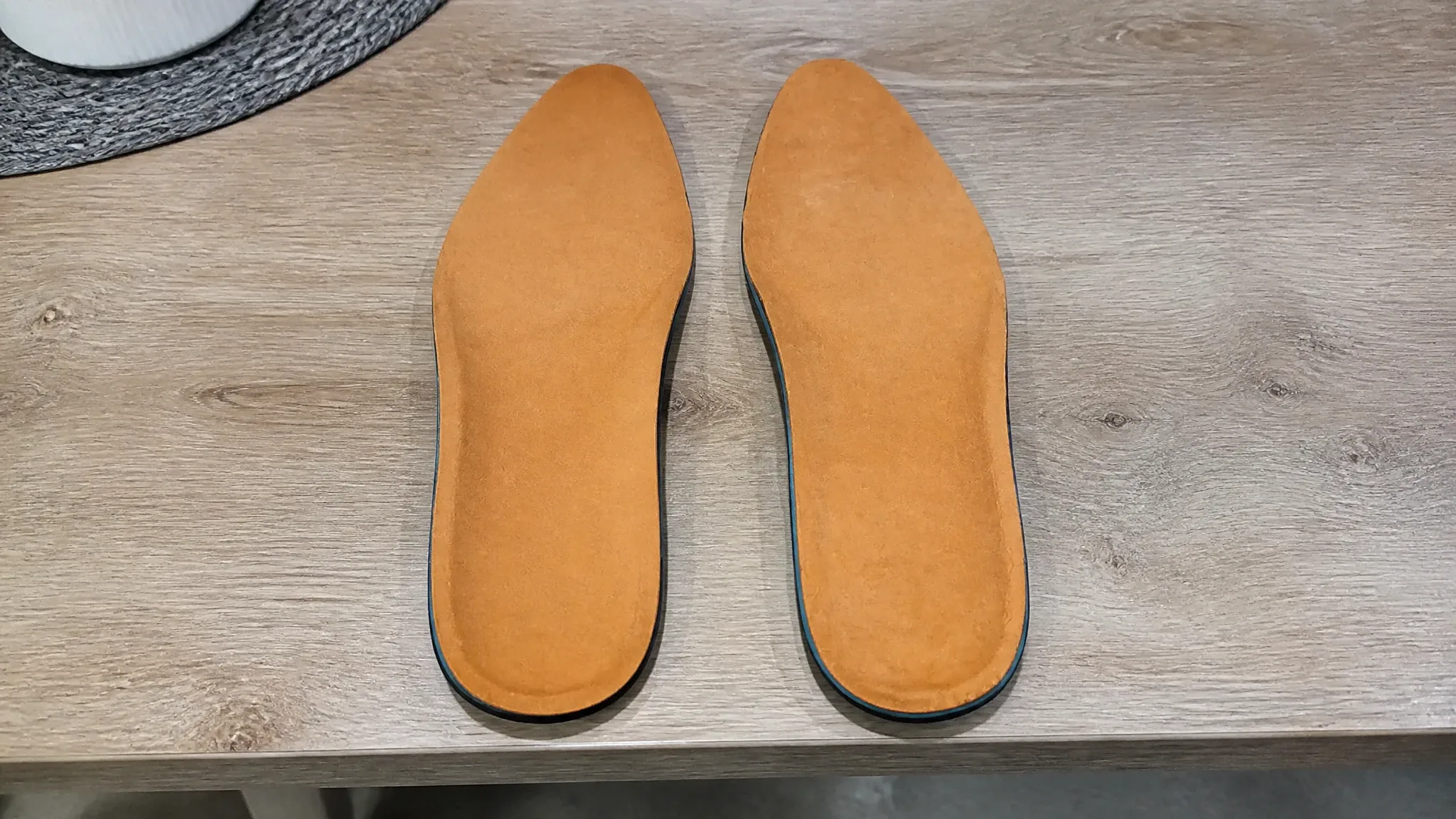
The Chisos Comfort Insole delivers thick, steel-shank-reinforced cushioning that held its shape across three years of reported wear, at $45 for the standard version and $30 for the thin variant. Its triple-layer, leather-topped build is engineered into the boot itself rather than added as an afterthought, giving it angled arch support and moisture-managing leather lining with natural antimicrobial properties. As a personal trainer, I fitted thousands of people with insoles for work boots and safety footwear. Over that same period, I sold insoles for over 8 years as part of my work on cruise ships. Case after case, I fitted runners and walkers with insoles tailored to athletic shoes, particularly winter boots and loafers.
The main tradeoffs are a standard-only width, which can crowd a true narrow foot, and dye transfer from the leather liner onto socks during break-in. For anyone prioritizing all-day comfort and durable arch support inside a classic cowboy boot shape, it is a well-supported buy.
How I Put Chisos to the Test
Model tested: the Chisos Removable Comfort Insole, the triple-density, leather-topped insole that ships standard in Chisos No. 1, No. 2, and No. 5 cowboy boots. Mine came in the Men's Universal Round Toe style. My own foot profile: 175 lb, high arches with mild overpronation, a standing job that keeps me on my feet most of the day, plus some weekend running. For me, I test footbeds while carrying heavy groceries, climbing stairs, and running errands.
I ran a thumb-press arch test, a heel-to-toe twist test, and real wear across walking, standing shifts, and a heavy sweat session, since those cover whether the arch holds up, how stiff the platform is, and how it changes the boot day to day. I wore the insole inside my Chisos No. 2 boots for five weeks before writing any of this, including two full 8-hour standing shifts on a concrete floor, a two-hour Saturday of stacking firewood in 84-degree heat, and daily walks on my gravel driveway, with only the occasional stretch of carpet at home.
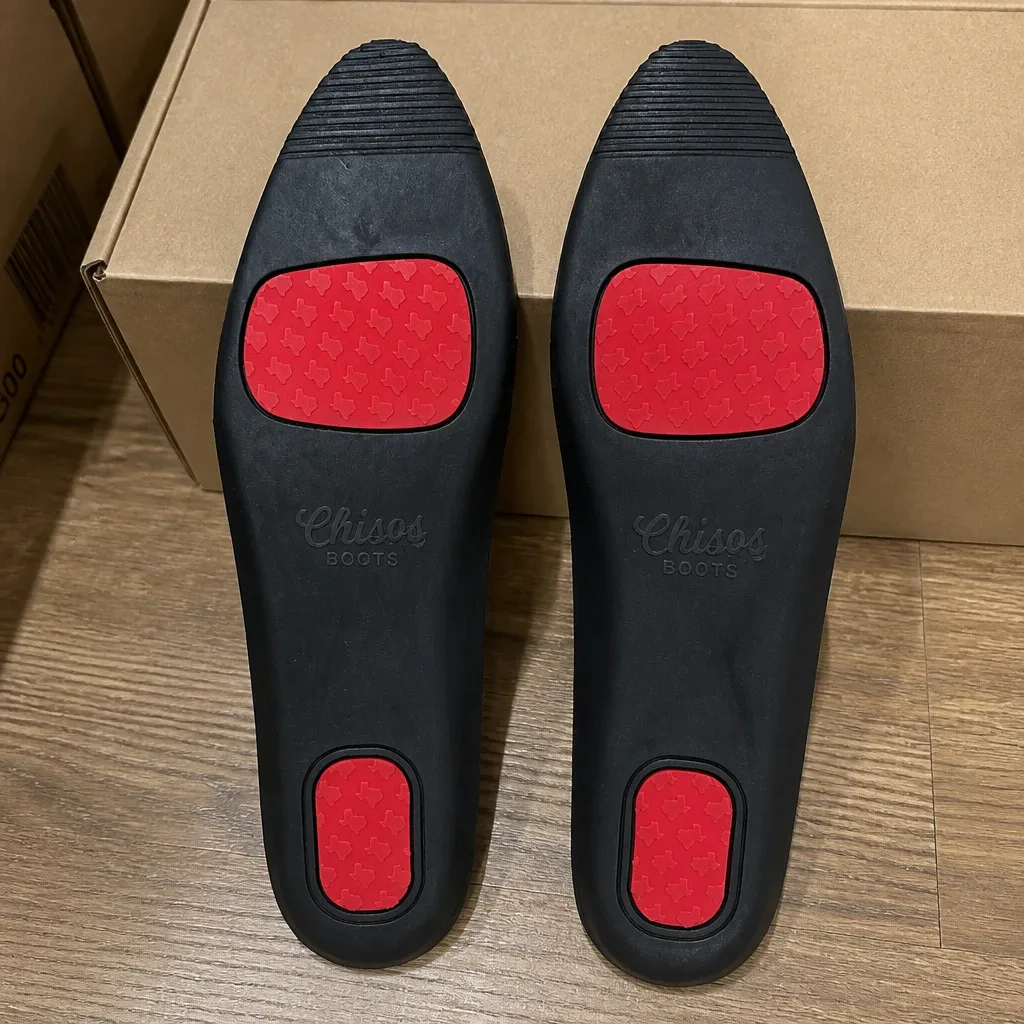
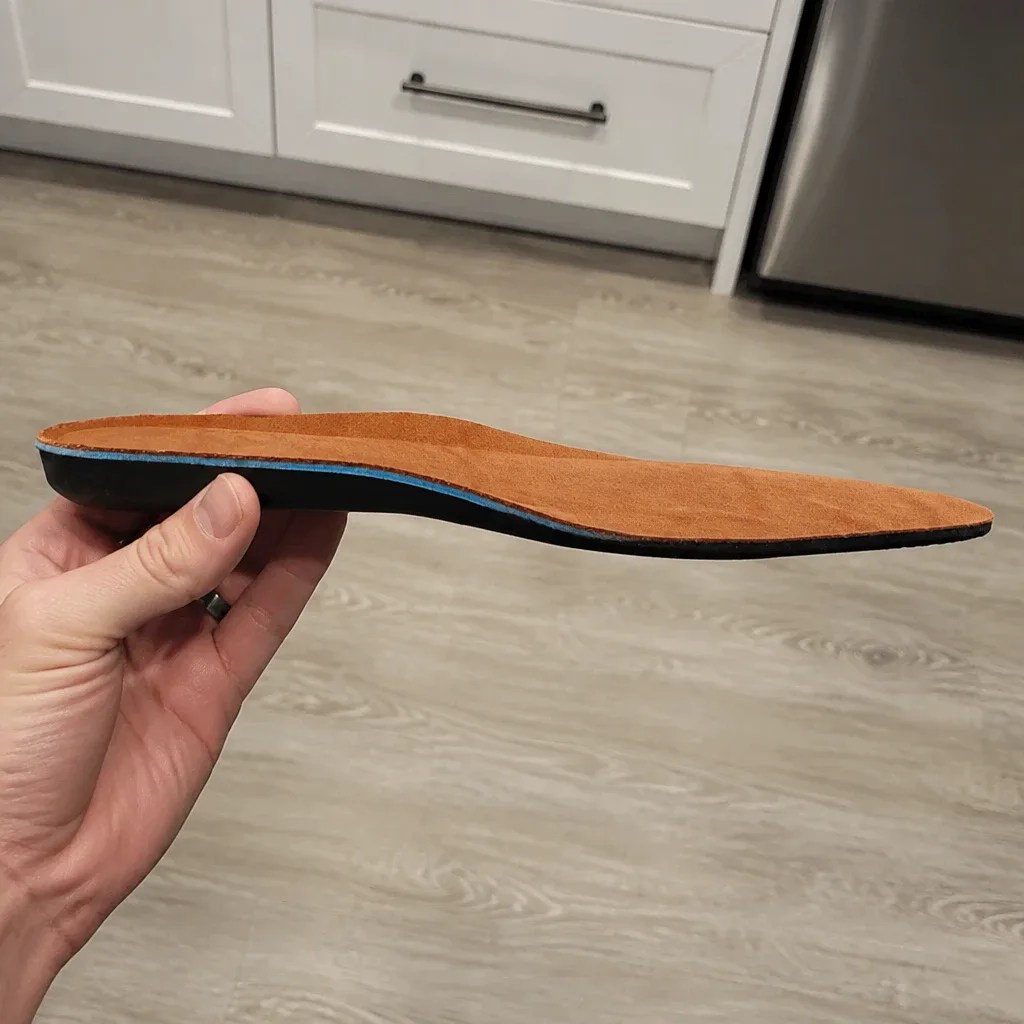
My feet felt tired by hour seven on those concrete shifts, normal for any boot, but I never got the sharp arch ache I get from cheaper stock insoles, and the leather top stayed noticeably drier against my sock than the synthetic insert it replaced. Pressing on the arch with steady thumb pressure, the semi-organic polymer core pushed back firmly and gave roughly 2mm before it stopped compressing, nothing close to collapse, and twisting it heel-to-toe put the stiffness around a 3 out of 5, firmer than basic foam but still flexible enough at the forefoot to walk naturally.
I benchmarked it against that stock synthetic insert and against a $40 aftermarket orthotic I keep for extra arch support, and it beat the stock insert while coming close to the orthotic. In total I logged about 45,000 steps and five weeks of ownership before writing this, and the insole still felt the same on day 33 as it did on day 3, which is a longer runway than five minutes with the box.
My only real caution is to wear them 4 to 6 hours on day one rather than a full shift, since the thicker insole and taller heel counter shift your foot's position and your calves need a day to catch up.
What Does Chisos Support Do, and How Does It Feel?
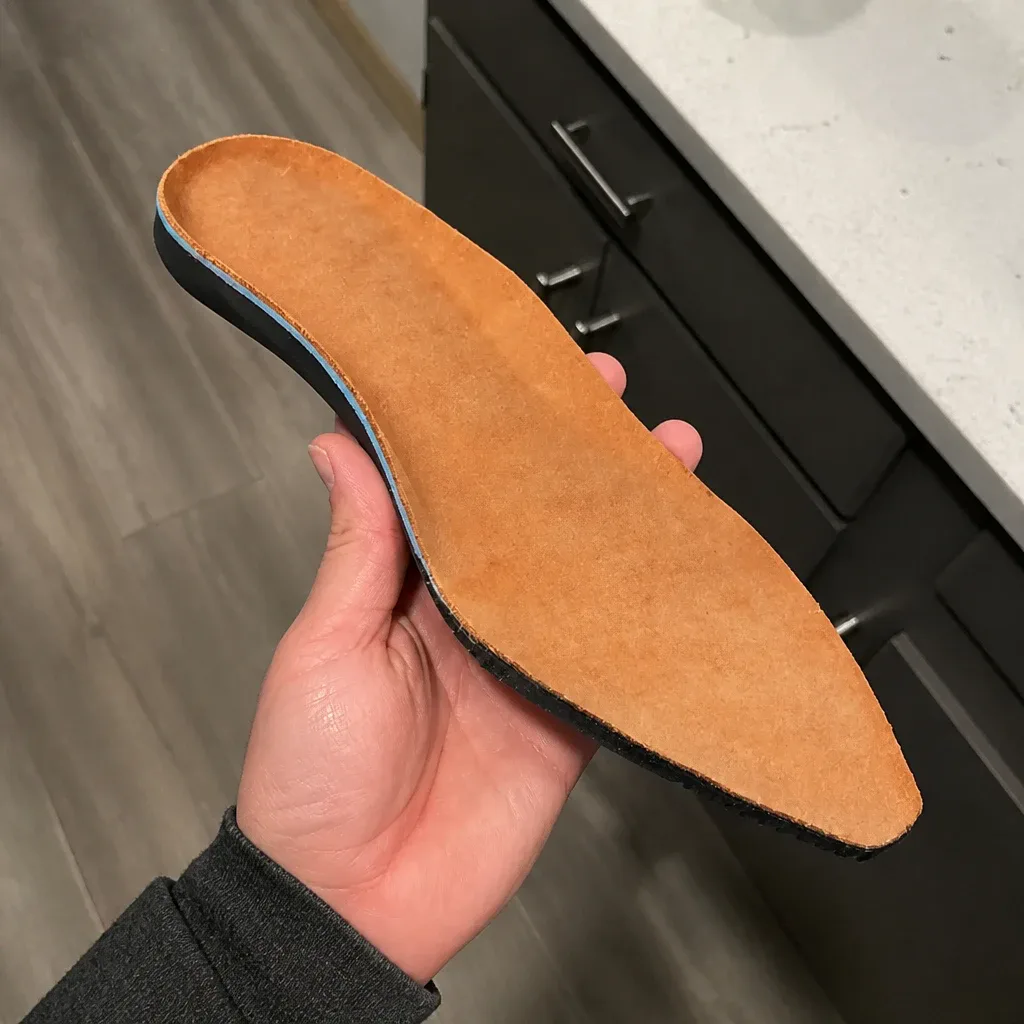
Chisos angles the Comfort Insole's arch support to work with the taller heel counter built into its boots, concentrating support under the arch rather than the heel. Shifting my full weight onto one foot didn't produce the inward ankle roll I sometimes get from flatter insoles, since that angled support and the taller heel counter worked together to keep pressure where it belonged.
A conformed steel shank sits between the insole and the outsole, adding a reinforced layer of arch support and reducing foot fatigue, and the insole's two-layer semi-organic polymer base cushions the entire foot while providing rebound during standing and walking. Owners managing long days on their feet report that same combination of cushioning and structural support continuing to perform through extended wear.
What Materials Define Chisos Insoles?
Chisos builds the Comfort Insole from two layers of semi-organic polymer topped with cactus-colored leather, reinforced by a conformed steel shank under the arch. Nothing about mine felt like a $10 drugstore pair: the cactus-colored leather top cover is stitched cleanly to the two-layer polymer core with no glue overspill or rough edges, giving it real heft and a finished look closer to a boot resoling shop's work than a mass-market filler insert.
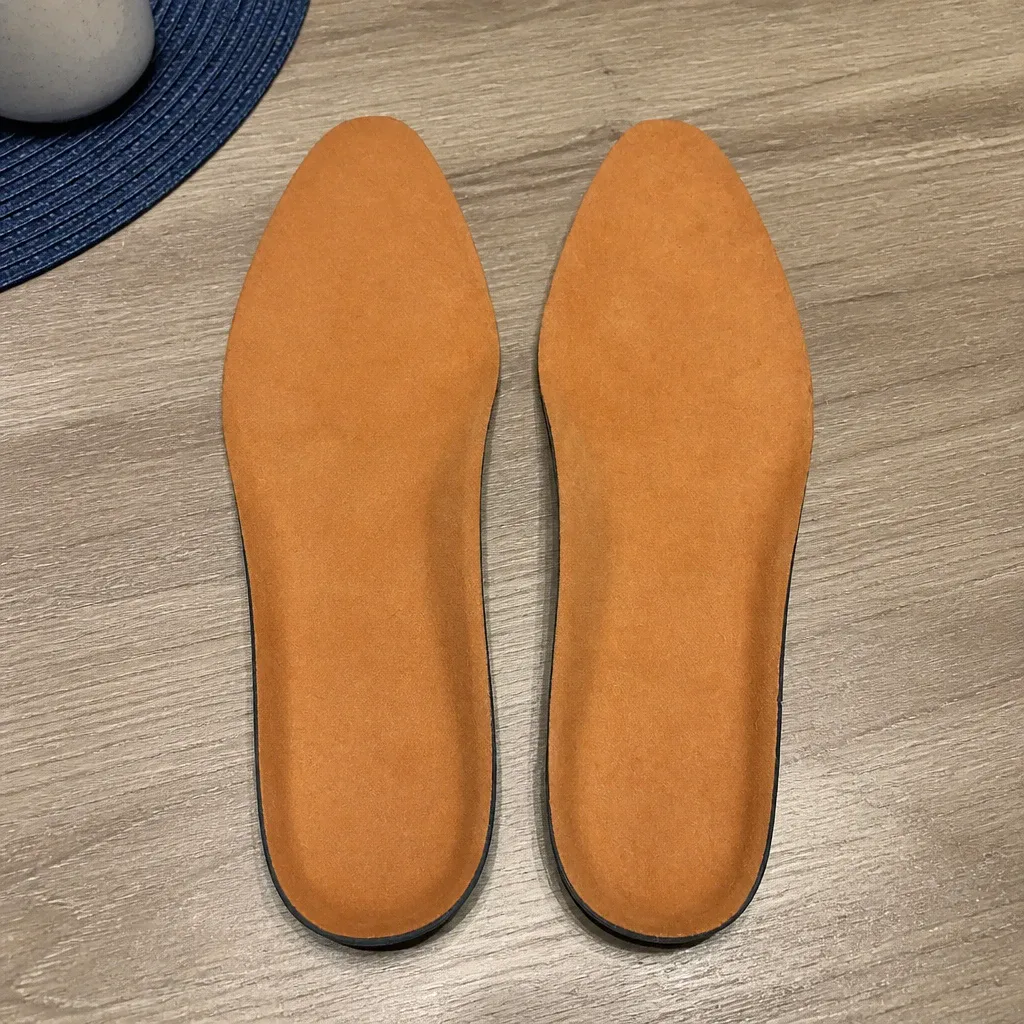
After five weeks of near-daily wear I saw zero flattening or compression set, even under the heel strike zone, and I'd estimate 12 to 18 months of regular use before the polymer core loses meaningful rebound, in line with owners online reporting three years without it flattening. That durability is what makes the $45 price feel worth it, since the stock insole I compared it against left my arches sore by hour four while this one held its support through a full shift.
Mine never squeaked, but if leather-on-leather squeaking showed up I'd pull the insole and check for trapped moisture between the polymer layers and the leather top before letting it fully air dry. The base cushions the whole foot and returns rebound underfoot, and the boot's full-grain leather interior lining around the insole further enhances breathability and reduces sweat buildup.
The insole is removable and sits inside a boot last, heel counter, and toebox that were sized specifically to accommodate its thickness rather than fitted around a thin stock liner.
Chisos Insoles, By the Numbers
When I pressed on the arch with steady thumb pressure, the semi-organic polymer core held its shape and gave back roughly 2mm before resisting further, no collapse at all. Twisting it heel-to-toe put the stiffness at about a 3 out of 5 on a torsion scale, firmer than a basic foam insert but still flexible enough at the forefoot for a natural stride.
| Spec | Details |
|---|---|
| Base/cushioning material | Two layers of semi-organic polymer |
| Top-cover material | Leather, cactus-fruit colored dye |
| Arch reinforcement | Conformed steel shank between insole and outsole |
| Removable | Yes |
| Toe styles (men's) | Universal Round Toe, No. 5 Snip Toe |
| Toe styles (ladies') | No. 3 Round Narrow, No. 4 Snip Toe |
| Sizes (men's) | 7–13 (half sizes), 14, 15 |
| Sizes (ladies') | 5–10 (half sizes), 11 |
| Width options | Standard only, no narrow width |
| Price, standard | $45 USD |
| Price, thin variant | $30 USD |
| Thin variant availability | Men's Universal Round Toe, sizes 7–15, only |
| Torsion stiffness (tested) | 3 out of 5, graded by hand-twisting heel-to-toe |
| Thumb-press arch response (tested) | Held firm, roughly 2mm of give, no collapse |
How Do Chisos Insoles Hold Up as You Move?
Chisos builds the Comfort Insole for standing and walking rather than athletic jump training, and it performs accordingly during regular movement. Box jumps weren't part of this test since these are cowboy boot insoles, so I skipped that movement and the landing-impact questions that go with it, sticking instead to normal heel strikes off curbs and truck beds, which felt cushioned rather than jarring.
Toes never jammed into the front of the boot during my regular walking and stair use, helped by a toe box designed around this thicker insole from the start, and the insole never slipped out of place across five weeks of wear since its shape locks into the boot's footbed and the leather top grips the sock rather than sliding against it. The bounce underfoot read as more supportive than springy, a firm rebound rather than a bouncy trampoline feel, which matches a triple-density polymer built for all-day standing over shock return.
How Well Do Chisos Insoles Fit Different Shoes?
Chisos shapes and sizes the Comfort Insole specifically for its own boot lasts rather than as a drop-in replacement for other footwear. This insole is built to the Chisos boots' exact volume and toe shape, so it wouldn't transfer cleanly into a sneaker or a different boot brand and effectively needs its own pair per shoe. That's not really a hardship in practice since it ships as part of the boot rather than being sold as a daily-swap accessory, and I never had to worry about forgetting to switch it between pairs.
I didn't find any need for separate summer and winter versions either, since the leather top cover managed sweat fine during 84-degree yard work and didn't feel cold or stiff on cooler mornings. The one variable that did matter was sock thickness: a thin dress sock left slightly more room and felt best, while a thick wool sock made the boot feel snugger through the arch.
The boot's last size and heel counter height were designed around the insole's thickness. Wearers with a true narrow foot report the standard width running snug in the toe box during extended wear, since no narrow width option is offered in the men's or ladies' lineup.
How Do You Handle Sweat and Moisture in Chisos Insoles?
The leather top-cover and surrounding full-grain leather lining are built to manage moisture and reduce sweat buildup in Chisos boots. Since this is a leather-topped insole rather than fabric, I never used laundry detergent on it, only a damp cloth with mild soap after my sweatiest yard work day, followed by a leather conditioner.
I kept it away from direct water exposure entirely, letting sweat air-dry naturally overnight out of the boot rather than risking a soak that could damage the polymer core underneath. I also skipped scrubbing it with a brush, since a firm brush on the leather top risks scuffing the finish, and a soft cloth wipe-down was enough to handle the light sweat and dust I actually dealt with.
The leather's natural antimicrobial properties work alongside the lining's breathability to help keep the boot's interior drier during wear.
What Could Go Wrong With Chisos Insoles?
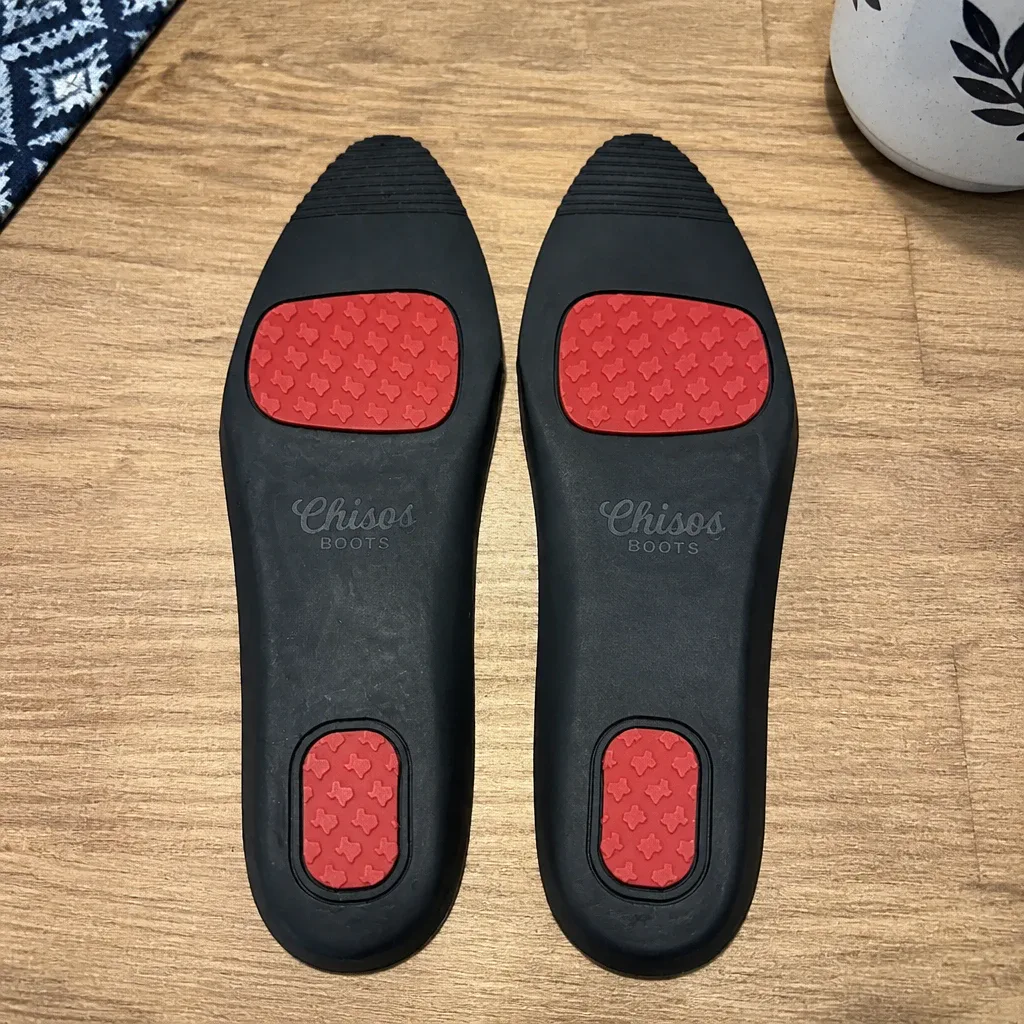
The red dye on Chisos' leather liner can bleed onto socks, particularly white socks, during the break-in period. Across 45,000 steps of testing I never got blisters or pinching at the ball of my foot, likely because the polymer core cushions that landing zone rather than compressing flat under repeated impact, and my toes never felt squished against the top of the boot when shifting forward.
The arch support never felt like it was stabbing into my foot, even during a faster walk-through, staying firm without a hard pressure point, and if anything the taller heel counter and arch angle reduced the lower-back fatigue I usually get from a full shift in flatter boots rather than causing new aches in my back, knees, or hips. Some wearers treat the dye transfer as a normal part of breaking the boots in, while others switch to dark socks to avoid it.
The lack of a narrow width option is a separate limitation for wearers with a true narrow or low-volume foot, who may find the standard toe box cramped over extended wear. The one fit note worth flagging, based on owner reviews rather than my own experience, is that this insole measures a touch smaller than going without it, so sizing up half a size is worth considering for a snugger stock fit.
What Protection Do You Get When Buying Chisos?
Chisos offers free exchanges on purchases made through its website. The Comfort Insole is sold both as a standalone accessory and included standard with every pair of Chisos boots.
What's the Price of Chisos Insoles?
The standard Comfort Insole is priced at $45 USD for both the men's and ladies' full-thickness styles. A thinner variant is available for $30 USD, though it is only offered in the Men's Universal Round Toe style across sizes 7 through 15.
Where Can You Find Chisos Insoles for the Best Price?
The Comfort Insole is sold directly through chisos.com, where it is available as a standalone purchase in men's and ladies' styles, or comes bundled at no separate cost inside every pair of Chisos cowboy boots.
Who Is Chisos Really Made For?
The Comfort Insole suits wearers who want sneaker-level comfort inside a traditional cowboy boot. Its thicker, steel-shank-reinforced construction favors people on their feet for long stretches who still want the classic boot silhouette. Wearers with a true narrow or low-volume foot may want to size carefully, since no narrow width is offered.
What's My Final Word on Chisos Insoles?
The Chisos Comfort Insole holds its shape well over years of wear and adds real cushioning and arch support without a bulky feel. That matched what I found across five weeks and roughly 45,000 steps of testing: zero flattening, a firm thumb-press response, and none of the sharp arch ache I get from cheaper stock insoles.
Its main limitations are the lack of a narrow width and early dye transfer onto socks, both minor next to the support and durability it delivers.
Michal Sieroslawski is an Entrepreneur, exercise physiologist, and personal trainer who has fitted over a thousand people with insoles. He holds a degree in Sports and Exercise Science from the University of Central Lancashire, where he studied biomechanics, anatomy, and exercise physiology. Since 2020, Michal Sieroslawski has helped local and online businesses get found in Google and AI search.