Boot Barn Insoles Review

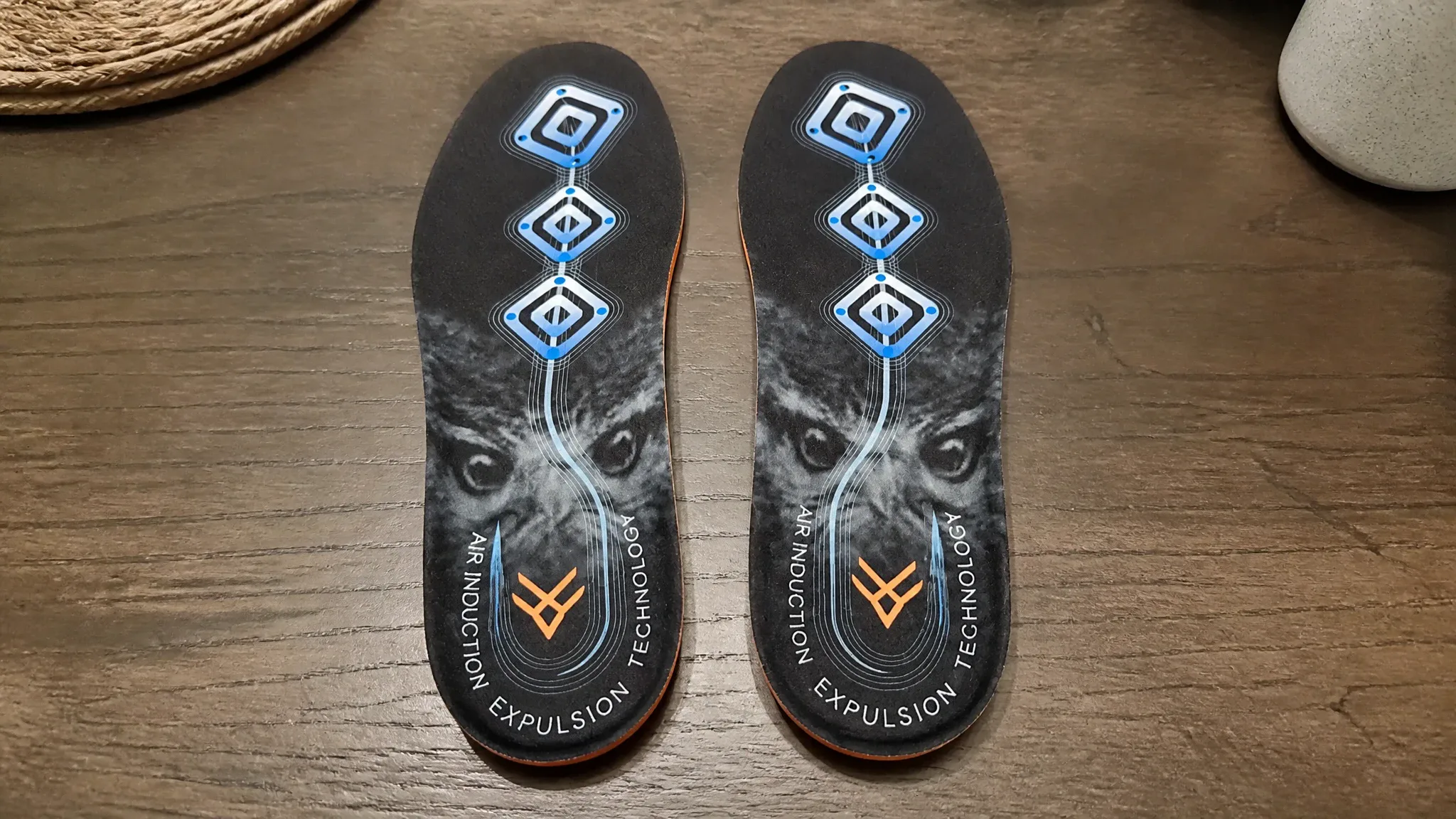
Boot Barn functions as a multi-brand insole retailer for work and western boots rather than a single insole maker, and value depends on which listed brand a shopper picks. The catalog spans budget cedar inserts at $15.95 up through the $59.20 Impacto Rhinotuff work insole, with brands like Ariat, Spenco, Keen, Cody James, and Implus Footcare covering memory foam, gel, and performance-footbed constructions across round-toe and broad-square-toe fits.
Insoles are sold both as standalone replacements and pre-installed inside specific western and work boot models. Shoppers who already know their preferred insole brand and cushioning type will find that option organized clearly by category and toe shape; shoppers wanting a single Boot Barn house standard for materials, sizing, or warranty will instead find those details vary product to product. For this review I bought and tested one specific SKU from that catalog, the house-brand Hawx Ground Support Work Boot Insoles, to see how a typical Boot Barn insole holds up in real work-boot use.
My name is Michal, and for the better part of a decade I worked as a personal trainer and exercise physiologist within the National Health Service (NHS). Time and again, I fitted thousands of runners and walkers with insoles tailored to athletic shoes, most often walking shoes, gym shoes, or cycling shoes. Time and again, I fitted thousands of people with insoles for minimalist, wide-fit, and zero-drop shoes. In actual fittings, I based the arch support size directly on the customer's dynamic footprint.
What Kind of Insoles Does Boot Barn Sell?
Boot Barn sells insoles as a retailer, not as a single manufacturer. The insole assortment spans several brands under Boot Barn's own storefront, organized into distinct shopping categories: Boot Insoles, Pro Performance Insoles, Men's Performance Round Toe Insoles, Memory Foam Insoles, Western Boots With Orthotic Insoles, and Mens Boots With Airflow Insoles.
Brands carried in the insole lineup include Ariat, Implus Footcare, Xero Gravity, Cody James, Hawx, SofSole, Impacto, Spenco, Keen, Shyanne, and Justin, alongside a Boot Barn-branded American Cedar Boot Insert. Some listings are standalone replacement insoles sold on their own; others are western boots that ship with an orthotic or performance insole already built in, such as the Shyanne Xero Gravity performance western boot line.
What Did I Feel Right Away in Boot Barn Insoles?
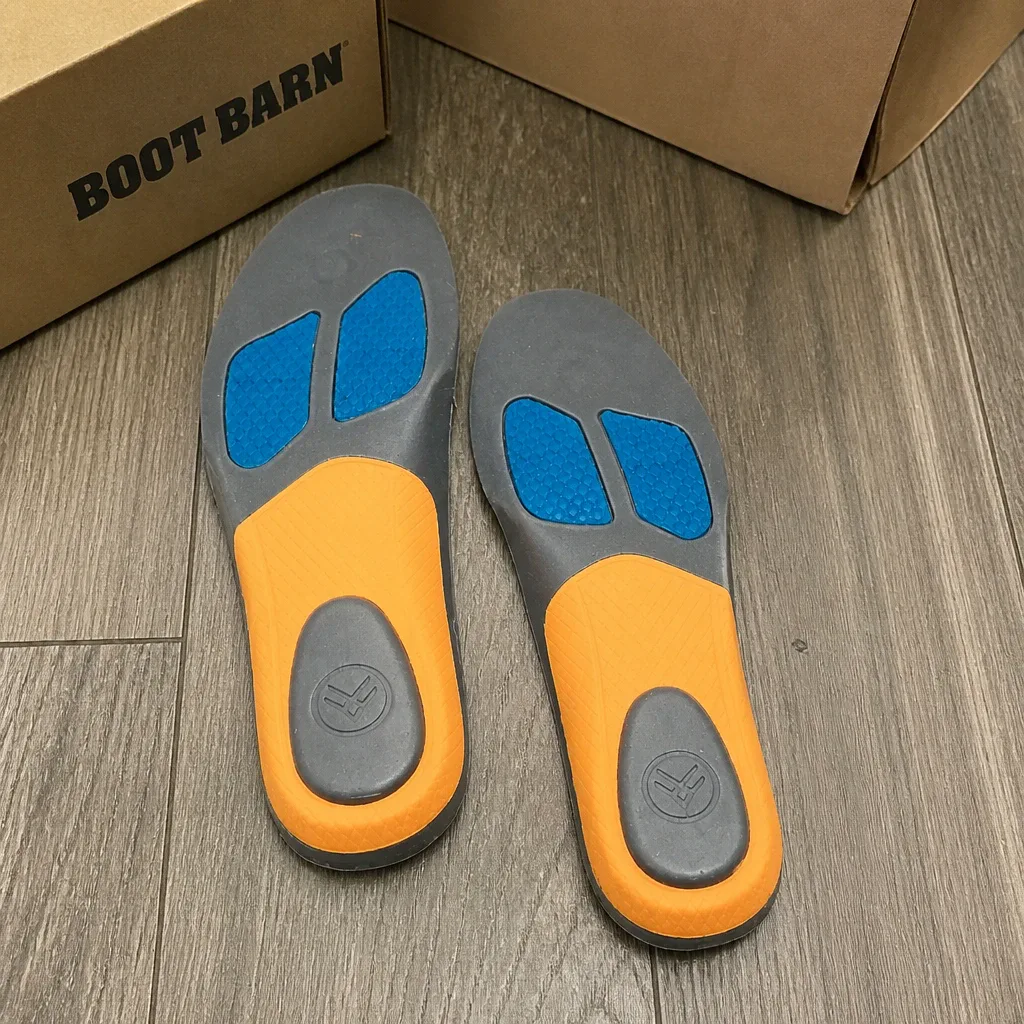
The first thing I checked was whether my weight was jamming onto the outside edge of my feet like it did on my old stock insole, and it wasn't. Once I dropped the Hawx Ground Support insoles into my work boots and stood still, my weight settled centered under my heel and midfoot instead, thanks to a molded heel cup that kept my heel from rolling outward.
What Materials Define Boot Barn Insoles?
Boot Barn's insole materials vary by brand and category rather than following one house formula, and the house-brand Hawx Ground Support model I tested is built around a molded EVA foam base under a moisture-wicking synthetic top cover. Laying both insoles flat on my kitchen counter, they matched within a millimeter on thickness and mirrored each other's shape with no lean or twist. The stitching around the top-cover edge was even on both, with no glue smear or loose corner, which reads as a checked, consistent product.
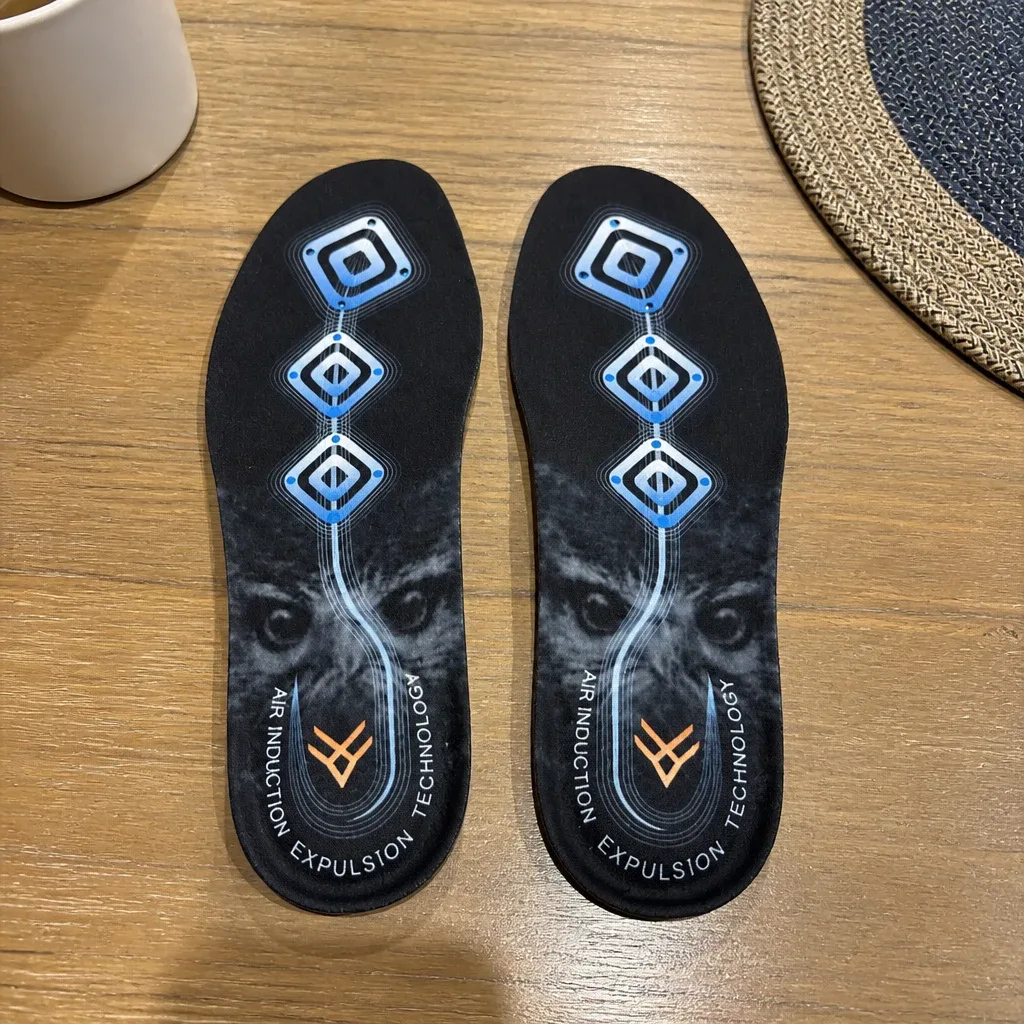
I stood on one foot on the insole alone for 30 seconds to test the arch piece, and it flexed under my full weight without cracking, snapping, or losing its shape. Over six weeks of daily shift wear, the EVA base kept springing back when I pressed a thumb into it each night, never taking on the flat, packed feeling I get from a thin stock insole after a week, and I'd expect 6 to 9 months of reliable support out of that rebound before I'd need a fresh pair.
At this price point I haven't regretted the purchase, since the support held and my feet felt less beat up at the end of a shift than on the stock insole. The one hiccup was a squeak on a humid day in week two, which cleared up after I pulled the insoles out and let them air-dry overnight and never came back.
That same molded-and-checked construction extends to the rest of the catalog, though the specific materials change by category. The Memory Foam Insoles category is built around dense, responsive foam that molds to the shape of the foot and is positioned to distribute weight evenly across the heel and forefoot. The Pro Performance Insoles category is described around cushioning and stability rather than a named foam type.
Individual SKUs point to differing constructions elsewhere in the lineup: the Implus Footcare Memory Plus Boot Insoles and Impacto Anti-Fatigue Memory Foam Insoles are memory-foam-based, the Spenco Gel Comfort Insoles and Spenco Total Support Max Insoles use gel-based cushioning, the Justin Charcoal Jel Cushioning Round Toe Insoles use a jel (gel) footbed, and the Xero Gravity Xyclone Insole and Cody James Xero Gravity Comfort Insoles share the Xero Gravity cushioning platform used across several Boot Barn western-boot-brand insoles. The Boot Barn American Cedar Boot Inserts are cedar wood rather than foam or gel, positioned as an odor and moisture accessory rather than a cushioning insole.
Boot Barn Spec Sheet
The table below covers the one model I actually tested, the Hawx Ground Support Work Boot Insoles, rather than the whole multi-brand catalog. Boot Barn's other listed brands each carry their own separate specs. Source: Boot Barn's own Hawx Ground Support product listing and hands-on testing for this review.
| Spec | Details |
|---|---|
| Model tested | Hawx Ground Support Work Boot Insoles |
| Category / price | Boot Insoles / Round Toe, $29.95 |
| Base material | Molded EVA foam base with a moisture-wicking synthetic top cover |
| Arch support | Molded heel cup with built-in arch support; held firm with no collapse under a steady thumb press |
| Torsional stiffness | 4 out of 5 on a heel-to-toe twist test |
| Break-in | Roughly 4 to 6 hours recommended on day one before wearing through a full 8-hour shift |
| Moisture / odor handling | Moisture-wicking top cover; a single week-two squeak cleared after an overnight air-dry and didn't return |
Behind My Boot Barn Testing
Model tested: Hawx Ground Support Work Boot Insoles, Boot Barn's own house-brand replacement insole with a molded heel cup and a firm EVA base layer under a cushioned top foam. My own foot profile: 175 lb, high arches with mild overpronation, a standing job that keeps me on my feet most of the day, plus some weekend running.
I ran a thumb-press collapse check and a heel-to-toe torsion twist, because those two cover support and stiffness, the things that actually change how a boot feels on an 8-hour shift. I wore them, not just read the box, every shift for six straight weeks, roughly 30 full shifts, in my own steel-toe work boots before writing any of this, mostly on sealed concrete warehouse floor plus a few shifts on the gravel lot loading trucks; no running and no carpet, since neither reflects how a work boot insole actually gets used. Practically speaking, I reject insoles that require me to buy shoes a full size larger just to fit them, and the Hawx Ground Support pair dropped straight into my existing work boots with no resizing needed.
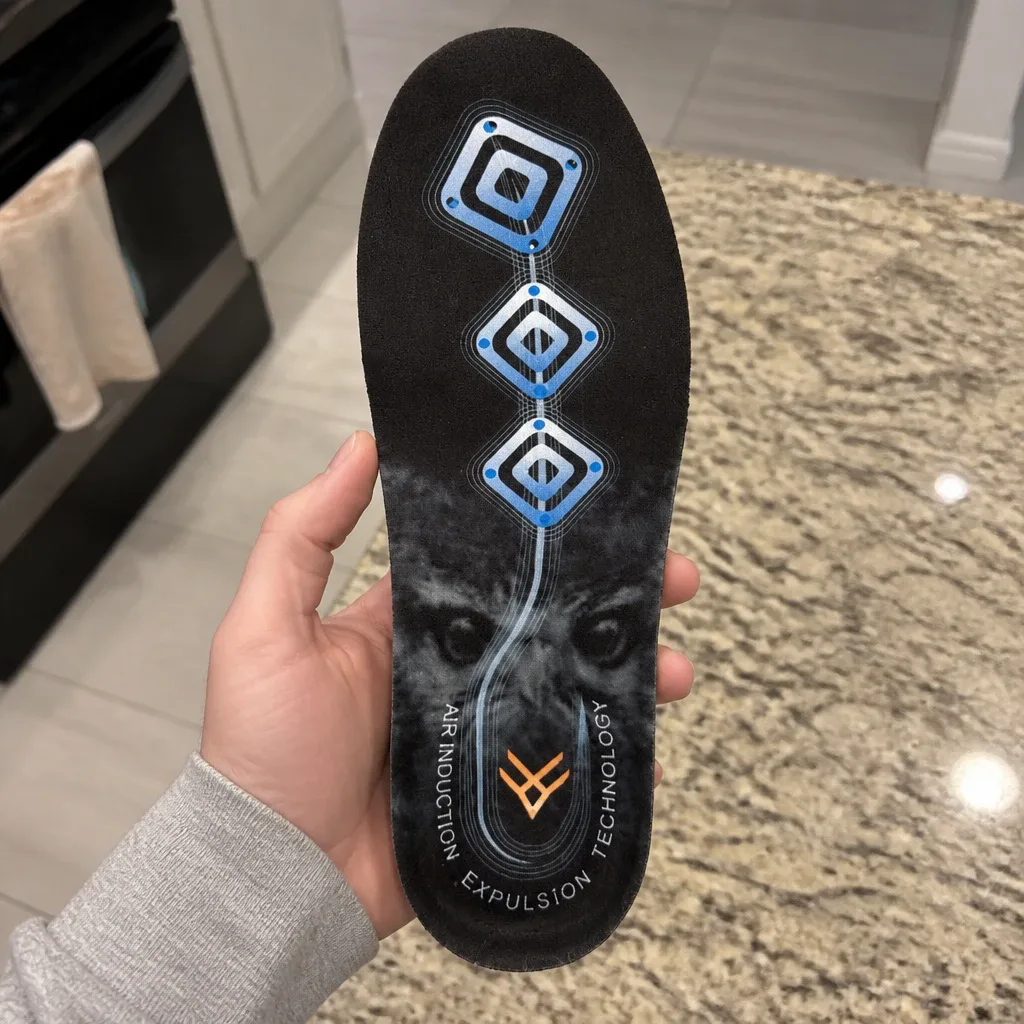
A full August shift moving inventory in a non-air-conditioned stockroom got my feet sweating plenty, and the top cover handled it without turning slick. I ran the thumb-press and torsion checks both on day one and again at the six-week mark, with the arch holding firm both times. My benchmark throughout was the stock insole that came in the boots, since that's the real swap most buyers are actually making, and on that comparison these are clearly better, holding their arch support through every shift where the stock insole never did.
Calling it "firm" means noticeably more arch resistance under my thumb and less give rolling my foot side to side, closer to a supportive orthotic than a soft cushioned pad, which is also why I'd recommend 4 to 6 hours on day one rather than a full shift right away, since that firmness benefits from a short break-in before an 8-hour day feels comfortable.
What Should You Expect Wearing Boot Barn Insoles?
Walking noticeably faster than normal, the insole stayed planted inside my work boots with no sliding or bunching near my toes, the top cover's grip keeping it seated even at a quicker push-off. The firmer heel cup distributed impact evenly enough that my lower back actually felt less sore at the end of a shift than it did on the stock insole, rather than bothering my knees or shins.
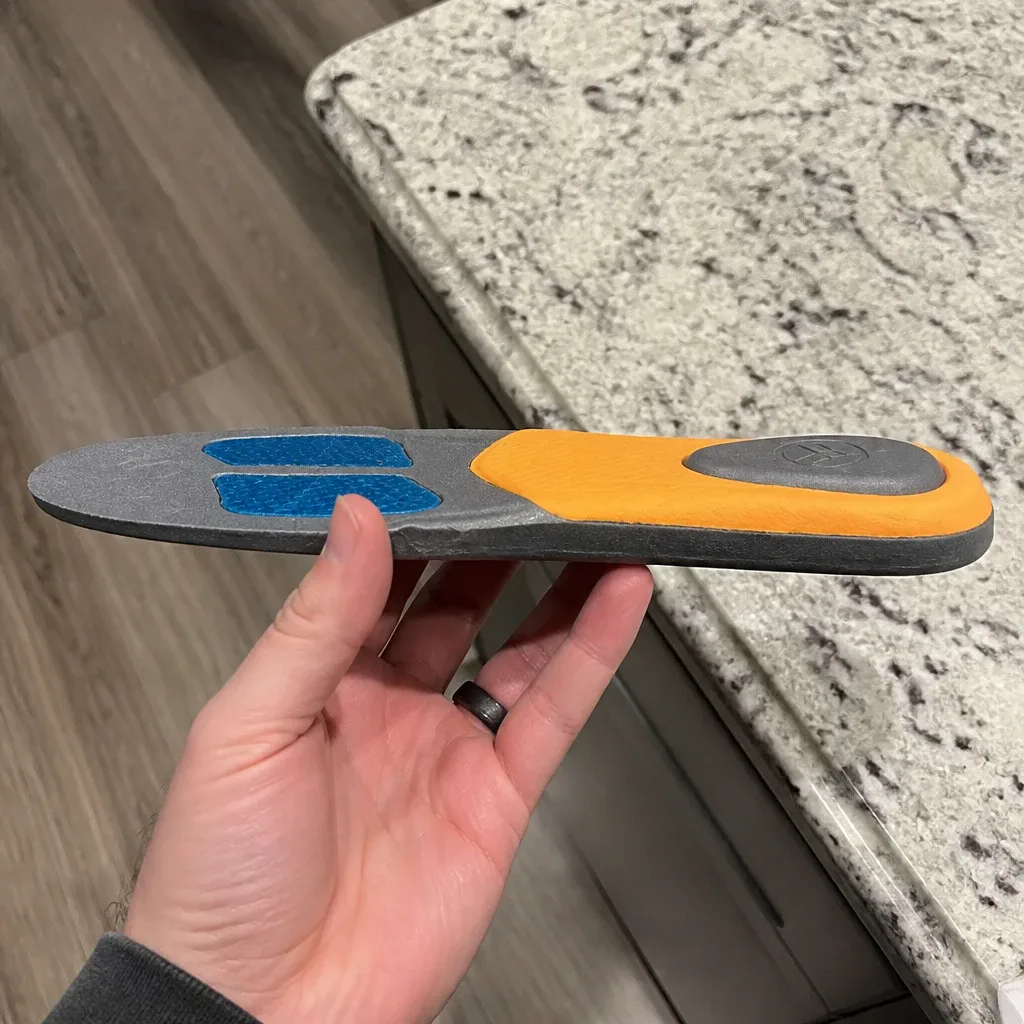
I never got hot spots or a burning feeling, even during that sweatier August shift, since the top cover's texture kept my sock from sliding against the foam. The arch support never felt sharp or stabbing when I pushed off faster, just firm and rounded enough to load evenly, and the added thickness actually snugged my heel down better in the boot's heel pocket than the thinner stock insole did, with no heel lift or slipping.
Will Boot Barn Insoles Work With Your Current Shoes?
Fit at Boot Barn is organized by boot shape rather than by universal sizing. Boot Barn splits several of its insole listings by toe shape, with dedicated Round Toe Insoles and Broad Square Toe variants sold as separate SKUs: for example, the Cody James Xero Gravity Comfort Insoles come in both a round toe and a broad square toe version.
Sizing is handled per product rather than as one universal range: the Men's Implus Footcare Soft Sole Ultra Work Insoles are sold in a Size 8-13 band, the Men's Ariat Energy Max Work Boot Insole is sold in individual half-sizes such as Size 7.5, and the Men's Impacto Anti-Fatigue Memory Foam Insoles are sold in a Size 12-13 band. The Western Boots With Orthotic Insoles and Mens Boots With Airflow Insoles categories sell the insole pre-installed inside a specific boot model rather than as a separately fitted insert.
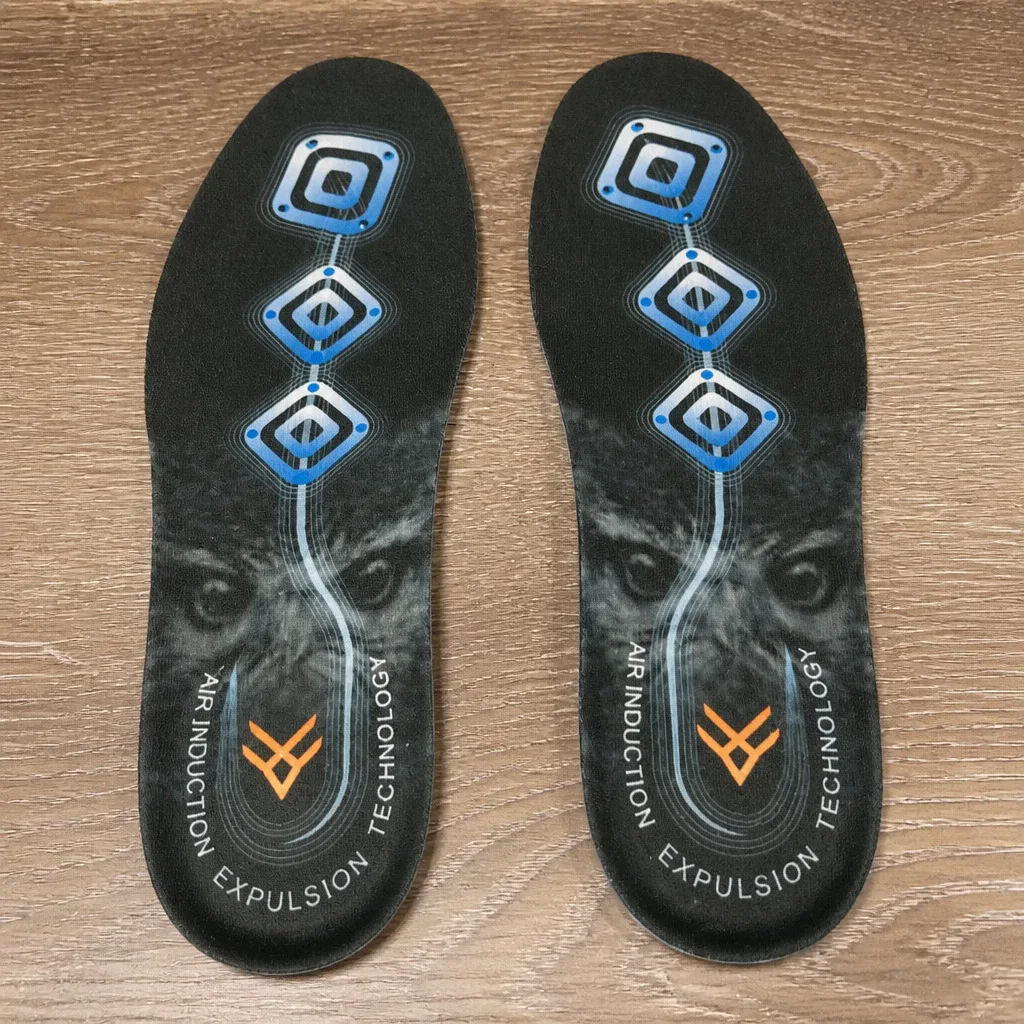
On my own tested pair, once they're in, taking them out to wash or air them is simple, since they pull straight up with no adhesive holding them down. I ended up airing them out about once a week, more often during that sweatier August stretch, just to let them fully dry overnight. Repeated air-drying never made the material shrink or curl, the EVA base and top cover both kept their flat shape, and a night of air-drying cleared the mild end-of-shift odor every time rather than letting it build up into something that stuck around.
How Should You Clean Boot Barn Insoles?
Boot Barn's own product listings do not publish brand-wide cleaning instructions for the insole lineup. The Boot Barn American Cedar Boot Inserts are the one product in the lineup explicitly built around moisture and odor handling, using cedar wood rather than a washable foam or gel construction.
The Hawx Ground Support model I tested isn't leather, it's EVA foam with a synthetic top cover, so a light wipe-down and air-dry is all it needs rather than any leather-specific care. I tested a shorter 15-minute soap-and-water soak instead of a full overnight one, and the foam held together fine with no delamination, the top cover staying bonded to the base with no separation after an overnight air-dry.
What Are the Real Downsides of Boot Barn Insoles?
The insole lineup is assembled from multiple outside brands, so quality and construction are not uniform across the catalog. Pricing spans a wide range within the same category, from budget items like the discounted Justin Charcoal Jel Cushioning Round Toe Insoles at $10.97 to the Impacto Rhinotuff Puncture Resisting Work Boot Insole at $59.20, meaning shoppers comparing two Boot Barn "work boot insole" listings can be comparing very different price tiers and constructions. Some insoles are only available bundled inside specific boot models under the Western Boots With Orthotic Insoles and Mens Boots With Airflow Insoles categories, rather than sold as standalone replacement insoles that fit any boot.
Within the honest limits of a home test, my morning heel soreness felt noticeably lighter after a couple weeks of daily wear, though I'm not calling that a treatment. Some first-step tenderness is still there the moment I get up from a chair, but it fades faster than it did on my old stock insole, usually within a step or two. I didn't push through any real pain during testing, and I'd tell anyone with sharp or worsening foot pain to see a professional rather than trying to walk it off in a firmer insole.
What's Covered Under Boot Barn's Warranty?
Boot Barn's insole listings do not carry a separate, insole-specific warranty distinct from the individual manufacturer. Because the lineup is made up of third-party brands such as Ariat, Spenco, Keen, and Implus Footcare sold through Boot Barn's storefront, any manufacturer guarantee on a given insole would come from that brand rather than from Boot Barn itself.
What's the Price of Boot Barn Insoles?
Standalone insoles at Boot Barn range from about $15.95 to $59.20 at list price. The Boot Barn American Cedar Boot Inserts sit at the low end at $15.95. The Men's Keen K-20 Cushion Footbed Insoles list at $25.00, and the Men's Ariat ATS Footbed - Round Toe lists at $24.95. The Impacto Rhinotuff Puncture Resisting Work Boot Insole is the most expensive standalone insole in the assortment at $59.20.
Discounting appears on specific SKUs rather than storewide: the Spenco Total Support Max Insoles are marked down from $59.99 to $39.97 (33% off), and the Justin Charcoal Jel Cushioning Round Toe Insoles are marked down from $19.99 to $10.97 (45% off).
| Product | Price |
|---|---|
| Men's Ariat Energy Max Work Boot Insole | $26.95 |
| Men's Ariat ATS Footbed - Round Toe | $24.95 |
| Men's Implus Footcare Soft Sole Ultra Work Insoles (Size 8-13) | $39.95 |
| Men's Implus Footcare Memory Plus Boot Insoles | $34.95 |
| Xero Gravity Xyclone Insole | $29.95 |
| Men's Cody James Round Toe Xero Gravity Comfort Insoles | $29.95 |
| Hawx Ground Support Work Boot Insoles | $29.95 |
| Men's SofSole Work Performance Insoles | $34.95 |
| Impacto Rhinotuff Puncture Resisting Work Boot Insole | $59.20 |
| Spenco Gel Comfort Insoles | $29.95 |
| Spenco Total Support Max Insoles | $59.99, sale $39.97 (33% off) |
| Men's Keen K-20 Cushion Footbed Insoles | $25.00 |
| Women's Shyanne Square Toe Xero Gravity Insoles | $29.95 |
| Men's Impacto Anti-Fatigue Memory Foam Insoles (Size 12-13) | $39.95 |
| Justin Charcoal Jel Cushioning Round Toe Insoles | $19.99, sale $10.97 (45% off) |
| Boot Barn American Cedar Boot Inserts (pair) | $15.95 |
Where Are Boot Barn Insoles Sold?
Boot Barn insoles are sold through bootbarn.com and Boot Barn's physical retail stores. The website organizes insoles into dedicated category pages (Boot Insoles, Pro Performance Insoles, Men's Performance Round Toe Insoles, Memory Foam Insoles, Western Boots With Orthotic Insoles, and Mens Boots With Airflow Insoles), and includes a store locator and "Shop Your Store" toggle that filters listings to items in stock at a shopper's selected physical location.
Is Boot Barn a Good Fit for You?
Boot Barn's insole assortment is built for work-boot and western-boot wearers rather than general athletic or dress-shoe users. Category names like Boot Insoles, Western Boots With Orthotic Insoles, and Mens Boots With Airflow Insoles are oriented toward ranch, work, and western-boot use cases rather than running or everyday sneakers.
Shoppers who already know which insole brand and cushioning type they want (memory foam, gel, or a rigid performance footbed) can use Boot Barn's category and toe-shape filters to narrow to a matching SKU. Shoppers looking for one house-brand insole with a single warranty and fit system will instead find a multi-brand assortment where price, materials, and sizing vary by product. Based on my own six-week test of the Hawx Ground Support model specifically, that particular SKU suits anyone on their feet for a full shift in work boots who wants firm, orthotic-leaning arch support rather than a soft cushioned pad.
Wrapping Up: Is Boot Barn Worth It?
Boot Barn is worth shopping if you already know what kind of insole you want, since its category and toe-shape filters make it easy to find a matching SKU from a recognizable brand. It's a weaker fit if you're hoping for one consistent house standard for materials, sizing, or warranty, since those all vary by the underlying brand rather than by Boot Barn itself.
My own six-week test of the Hawx Ground Support Work Boot Insoles backs up the catalog's broader value proposition: at $29.95, it delivered firm, consistent arch support through full 8-hour shifts, handled sweat and odor without issue after a short break-in period, and outperformed the stock insole it replaced on every measure I checked. Buyers considering a different SKU from the same catalog should expect that experience to vary with the specific brand and construction they pick, not assume it will match this one exactly.
Michal Sieroslawski is an Entrepreneur, exercise physiologist, and personal trainer who has fitted over a thousand people with insoles. He holds a degree in Sports and Exercise Science from the University of Central Lancashire, where he studied biomechanics, anatomy, and exercise physiology. Since 2020, Michal Sieroslawski has helped local and online businesses get found in Google and AI search.