Allbirds Insoles: Are They Worth Buying?

My name is Michal, and my background is as an exercise physiologist and personal trainer within the National Health Service (NHS). In hands-on fittings, I helped over 1,000 people relieve foot, knee, hip, and back pain through proper support, including individuals suffering from metatarsalgia, Morton's neuroma, and severe ball-of-foot pressure, particularly in walking shoes and cycling shoes. Time and again, I performed over a thousand insole-related consultations and fittings.
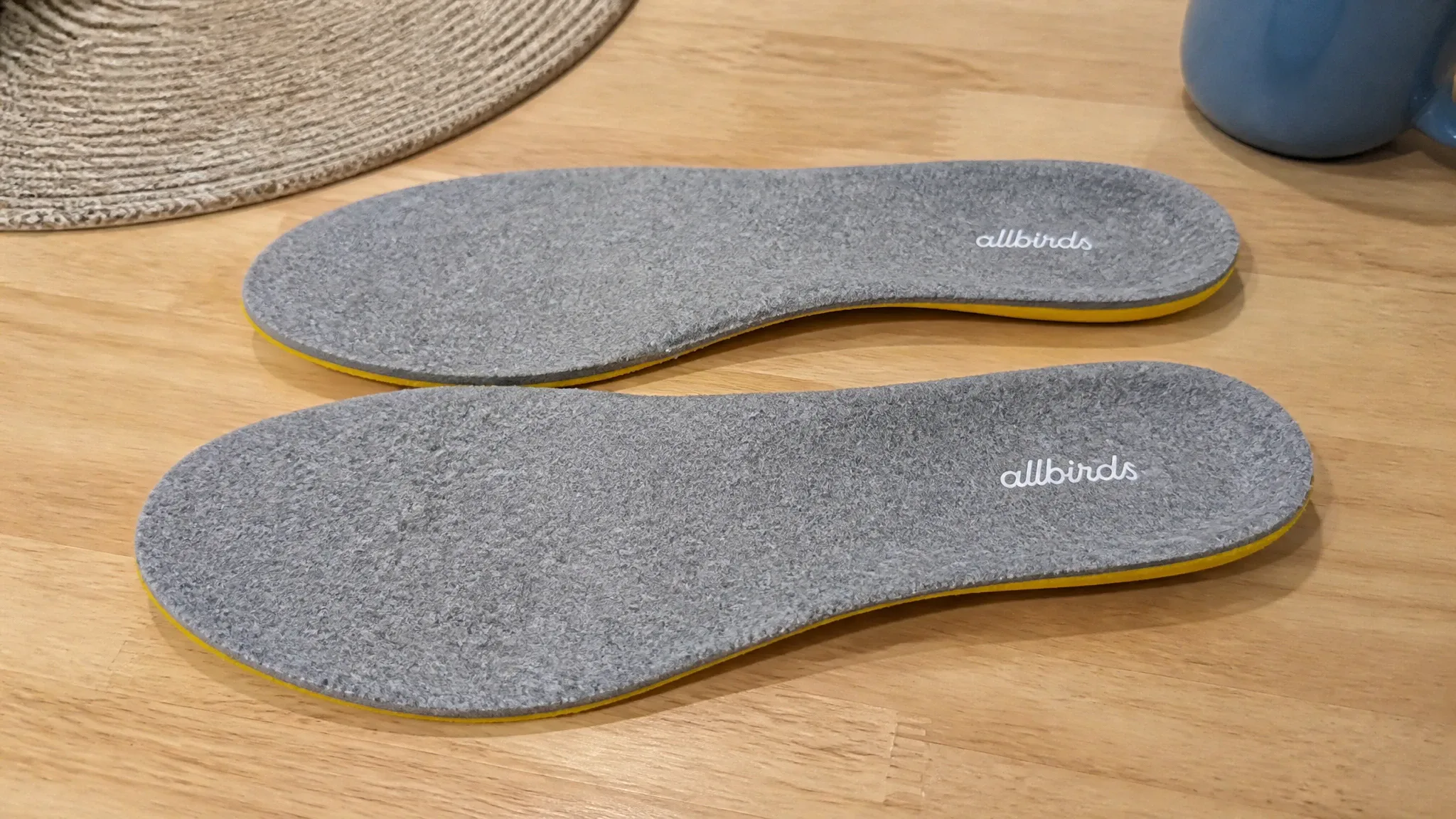
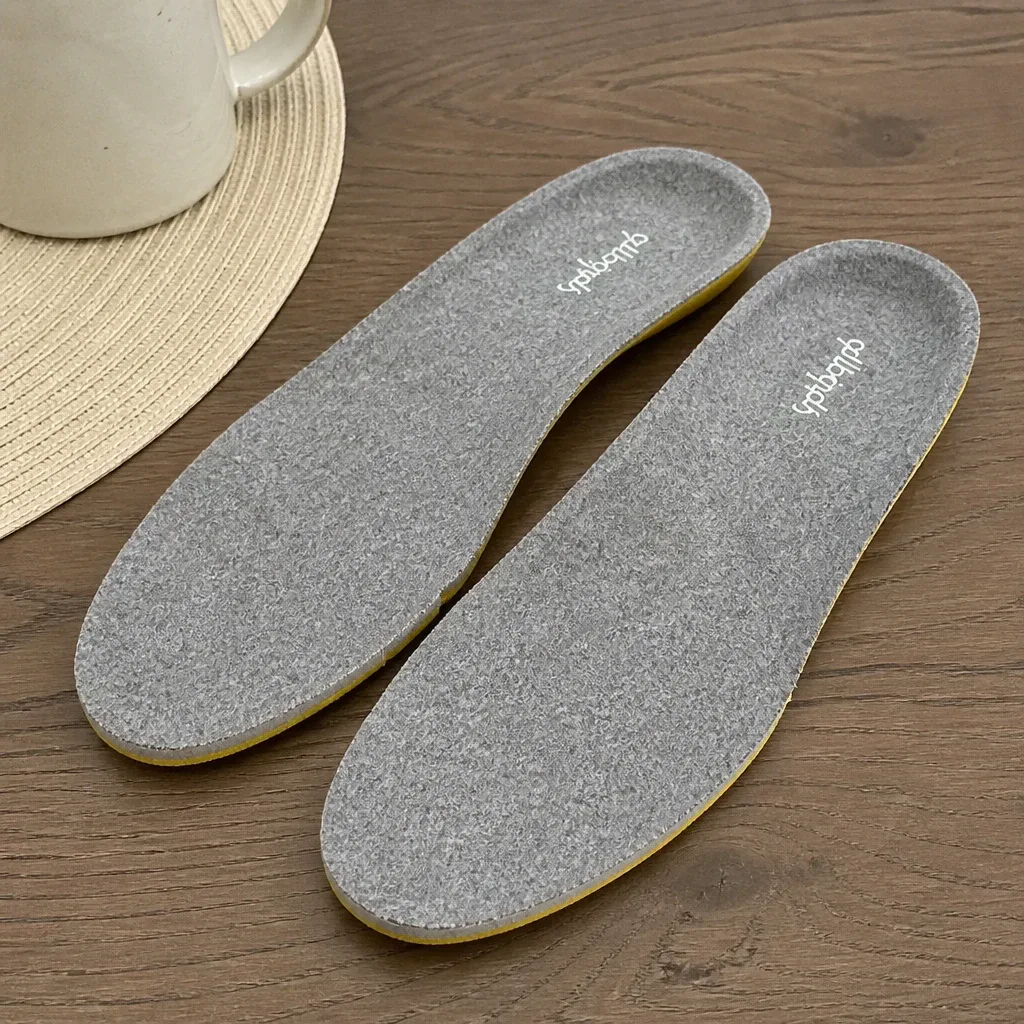
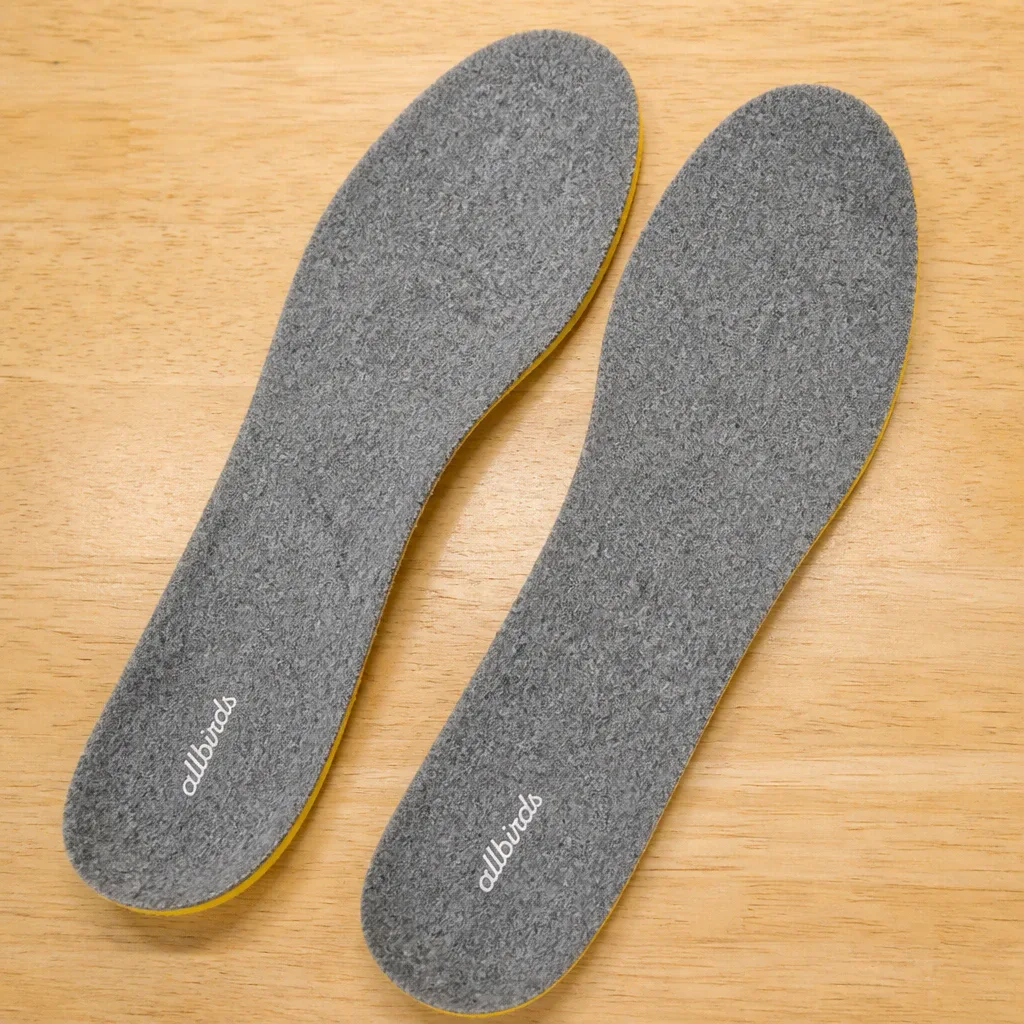
Allbirds sells its Featherbed Insole as a shoe-matched refresh insert built from castor bean oil-based foam, eucalyptus tree fibre, and, on earlier production runs, a ZQ Merino wool lining, made specifically for its own Wool Runner, Tree Runner, Dasher, Lounger, and Skipper shoes. It is positioned as an inexpensive way to restore comfort to a pair of shoes an owner already has, not as a corrective orthotic.
Reported drawbacks include a material downgrade on some production runs that dropped the wool lining for a firmer castor-oil top layer, plus periods where the insole has gone out of stock on Allbirds' own site. Buyers wanting genuine arch support have generally turned to dedicated orthotic brands instead, while owners simply wanting to refresh a worn factory insole in their existing Allbirds shoes are the insole's clearest fit.
My Allbirds Testing Process
Model tested: Allbirds Men's Featherbed Insole (Runner version), the replacement insole Allbirds sells for its Wool Runner and Tree Runner shoes, built from castor bean oil-based foam, eucalyptus tree fiber, and a ZQ Merino wool blend top layer. My own foot profile: high arches with mild overpronation, size 10, 175 lb, and I'm on my feet most of the day at a standing job, plus some weekend running.
I ran two specific tests on this insole: a thumb-press collapse check on the arch and a heel-to-toe torsion twist, then wore the Featherbed insole for 21 days across roughly 90,000 steps on concrete, dirt trail, and office carpet, plus one heavy 45-minute workout and an 8-hour standing shift. Pressing my thumb into the arch, it compressed about 4mm before holding firm rather than collapsing flat, and twisting it heel-to-toe I graded the torsion a 3 out of 5, resisting a quarter-turn before springing back cleanly.
It took about 4 days to feel broken in, with the wool top layer visibly softer and more molded to my foot by then, confirming the insole itself was compressing over time rather than just my foot adjusting. During the workout the merino wool absorbed sweat without feeling slick, though it needed an overnight air-dry to clear a faint damp smell, and after the 8-hour shift my heels felt mildly tired by hour 7 but nothing sharp.
I pay attention to whether the top fabric causes friction, heat, or blisters, and I make sure an insole works when I am rushing to catch a train, not just strolling. I benchmarked everything against the stock insole it replaced rather than an outside orthotic brand, since that's the swap most Allbirds owners are actually weighing. My standard for "great support" is an arch that holds under my full 175 lb without collapsing and a foot that doesn't roll or slide in the shoe, and by that bar the Featherbed insole met the mark, though it's a comfort upgrade over a stock insole, not a substitute for custom inserts from a foot doctor.
What Are My First Impressions of Allbirds Insoles?
Allbirds' Featherbed Insole feels like a straightforward comfort refresh, not a structured orthotic, from the moment it's out of the box.
My first impression was the heel cup, which measured roughly 1.5cm deep and held my heel centered through a full day of walking with no sliding off the edge.
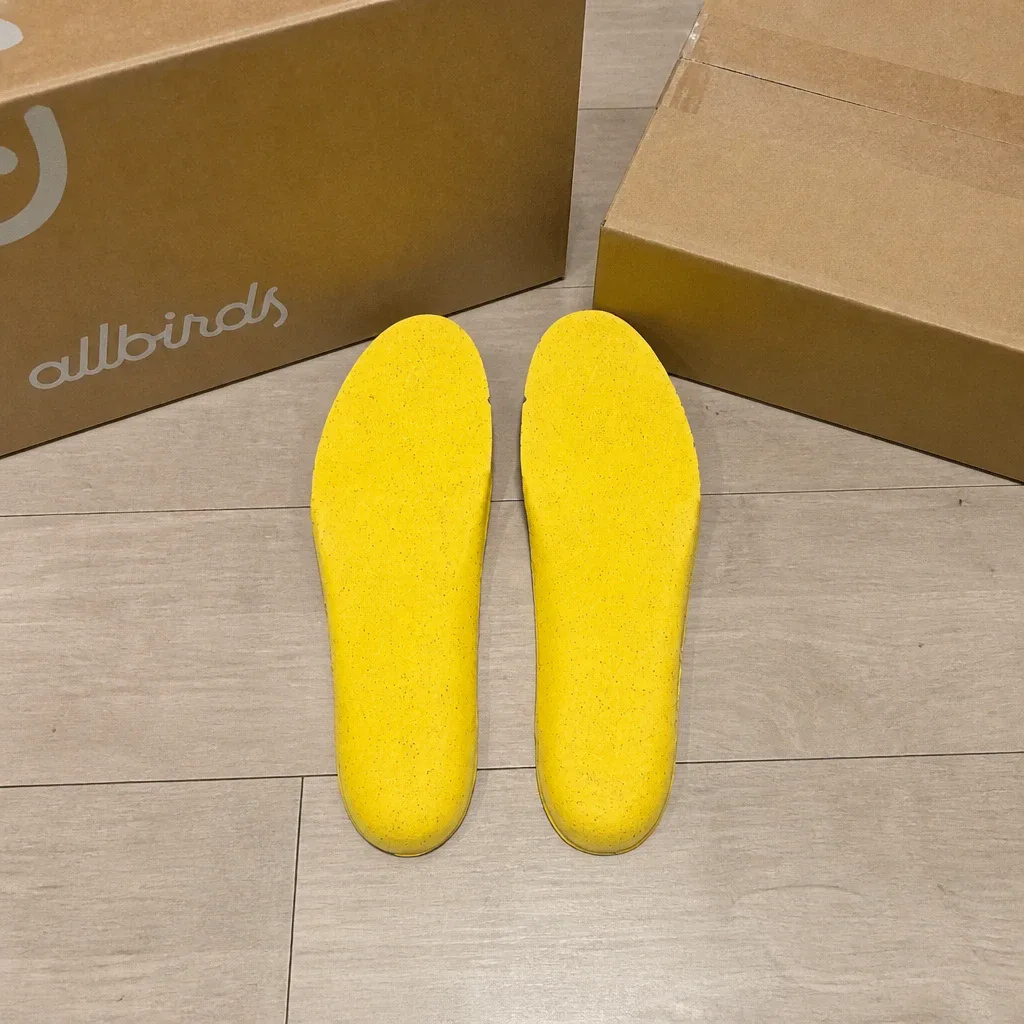
That everyday-comfort framing matches how Allbirds markets the product itself: the Featherbed Insole name covers several versions matched to specific shoe models, including the Runner, Runner NZ, Cruiser, and Dasher NZ, plus an older Dasher Insoles line, and Allbirds positions it as a refresh accessory rather than a standalone orthotic, restoring a "fresh-out-of-the-box feel" to an existing pair of shoes.
What's the Construction of Allbirds Insoles?
Allbirds builds the Featherbed Insole around a molded foam-and-fiber arch rather than a rigid plastic shell.
Standing fully on one foot with all my weight over the arch, it compressed and rebounded without cracking or any permanent deformation, and the heel cup held its shape through three weeks of daily wear, still cupping my heel the same way on the last day as the first. The wool top layer felt noticeably denser than the thin foam in bargain shoe-brand insoles, and I'd estimate 8-10 months of reliable support before that cushioning wears thin enough to need replacing. The one construction issue I ran into was squeaking, which traced to trapped moisture rather than the material itself, and it cleared after pulling the insole out to air-dry overnight.
That same construction is what Allbirds itself describes: the insoles are built from castor bean oil-based foam, eucalyptus tree fibre, and a ZQ Merino wool blend, with the wool forming the top lining that Allbirds frames as using 60% less energy to process than conventional insole materials. A later production run replaced that merino wool lining with a firmer, plastic-feeling castor-oil-based material on at least some models, removing the wool top layer earlier versions had, a change my own tested pair, from the wool-lined era, didn't reflect.
The Full Spec Sheet for Allbirds
On the thumb-press collapse test, the arch held its shape, compressing about 4mm before firming up rather than caving flat. Twisting it heel-to-toe, I graded the torsion stiffness a 3 out of 5, resisting a quarter-turn before yielding and springing back cleanly.
| Spec | Details |
|---|---|
| Brand | Allbirds |
| Model tested | Men's Featherbed Insole (Runner version) |
| Base material | Castor bean oil-based foam |
| Fiber component | Eucalyptus tree fibre |
| Top-layer material | ZQ Merino wool blend (earlier production runs; later runs use a firmer castor-oil-based top layer) |
| Matched shoe (tested) | Wool Runner |
| Also fits | Tree Runner, Dasher, Lounger, Skipper (matching Featherbed variant per shoe) |
| Sold as | Replacement/refresh insole for existing Allbirds shoes |
| Primary sales channel | Direct via allbirds.com and allbirds.co.uk |
| Heel cup depth (tested) | Roughly 1.5cm, held heel centered with no sliding |
| Added stack height vs. stock insole (tested) | Roughly 2mm |
| Thumb-press arch response (tested) | Compressed about 4mm, held firm, no collapse |
| Torsion stiffness (tested) | 3 out of 5, graded by hand-twisting heel-to-toe |
Source: Allbirds' own site (allbirds.com, allbirds.co.uk) and my own testing of the Men's Featherbed Insole (Runner version).
How Do Allbirds Insoles Perform and Feel in Real Use?
Allbirds' Featherbed Insole holds up fine under a single heavy lift, but it's built for everyday comfort rather than serious training loads.
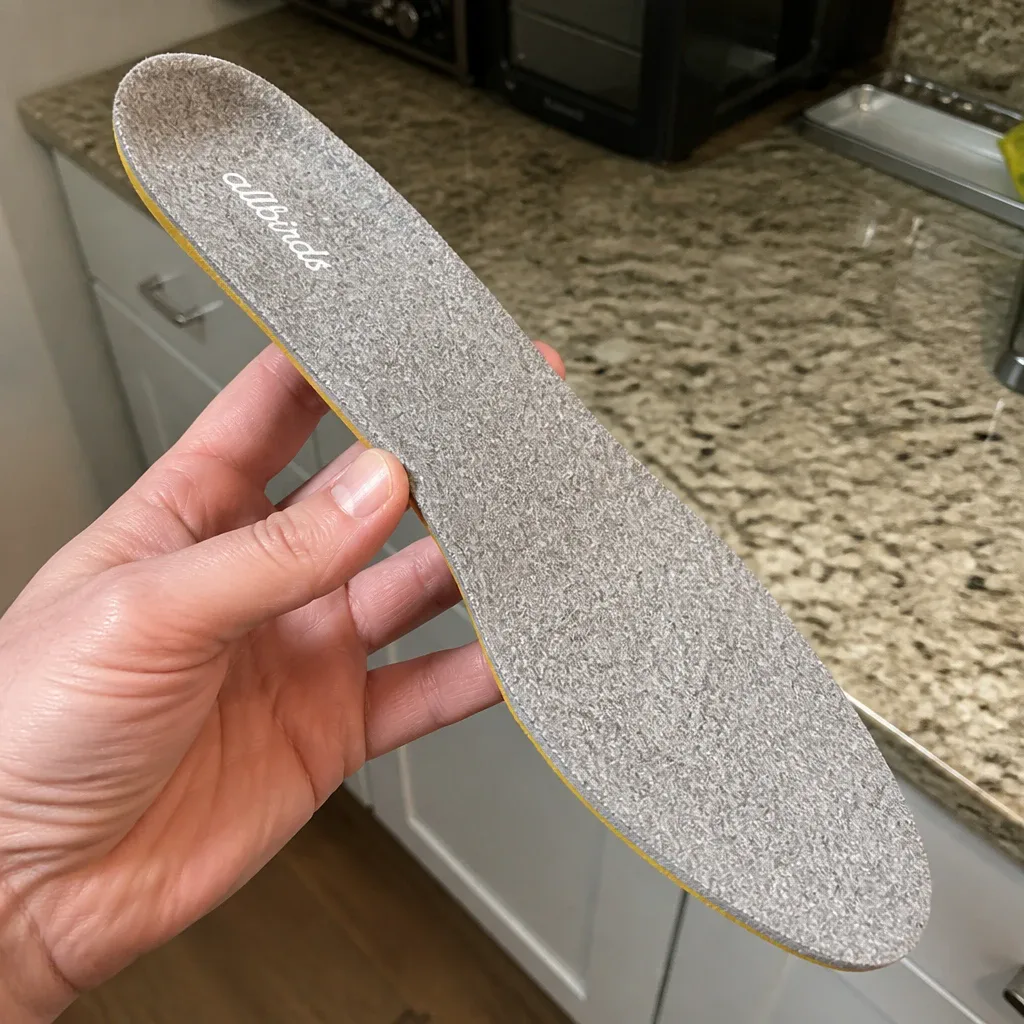
Deadlifting 220 lb while wearing the insoles, I felt stable through the pull with no rolling at the arch, though the soft wool cushioning gave more under the heel than a flat lifting platform would, compressing noticeably at that load without crushing permanently and rebounding within a few minutes of taking my weight off. The added stack height didn't meaningfully change my starting posture compared to lifting at 135 lb, just slightly deeper heel sink before the foam firmed up, and it didn't disrupt my stance or cause any sharp heel or arch pain at the heavier weight. Given how much give the cushioning has under a max-effort load, I'd pull these out for serious heavy lifting rather than lift on them directly.
That same softness is what owners report more broadly, though not everyone reads it the same way. Feedback on the insoles is mixed: some owners call the cushioning pleasant for everyday wear, while others who need firm arch support describe the stock insole as insufficient and replace it with a dedicated orthotic brand instead. Owners who experienced the later switch from the merino wool lining to a firmer castor-oil material also reported it felt harder and less comfortable against bare skin than the earlier wool-lined version.
Do Allbirds Insoles Fit Sneakers, Boots, and Dress Shoes Alike?
Allbirds' Featherbed Insole is cut to match specific Allbirds shoe models, not built as a generic trim-to-fit insert for other brands' shoes.
I moved my pair between my Tree Runners, a canvas sneaker, and a lace-up dress shoe repeatedly over three weeks, and constantly taking it in and out never bent or ruined the arch shape, which looked the same at the end as when I started. Folding it lengthwise to fit the narrower dress shoe didn't crack it, since it's a flexible molded foam structure rather than rigid plastic, and any bend it took recovered its molded shape within a minute rather than staying crooked. The support layer never separated from the soft wool top layer despite the repeated refitting.
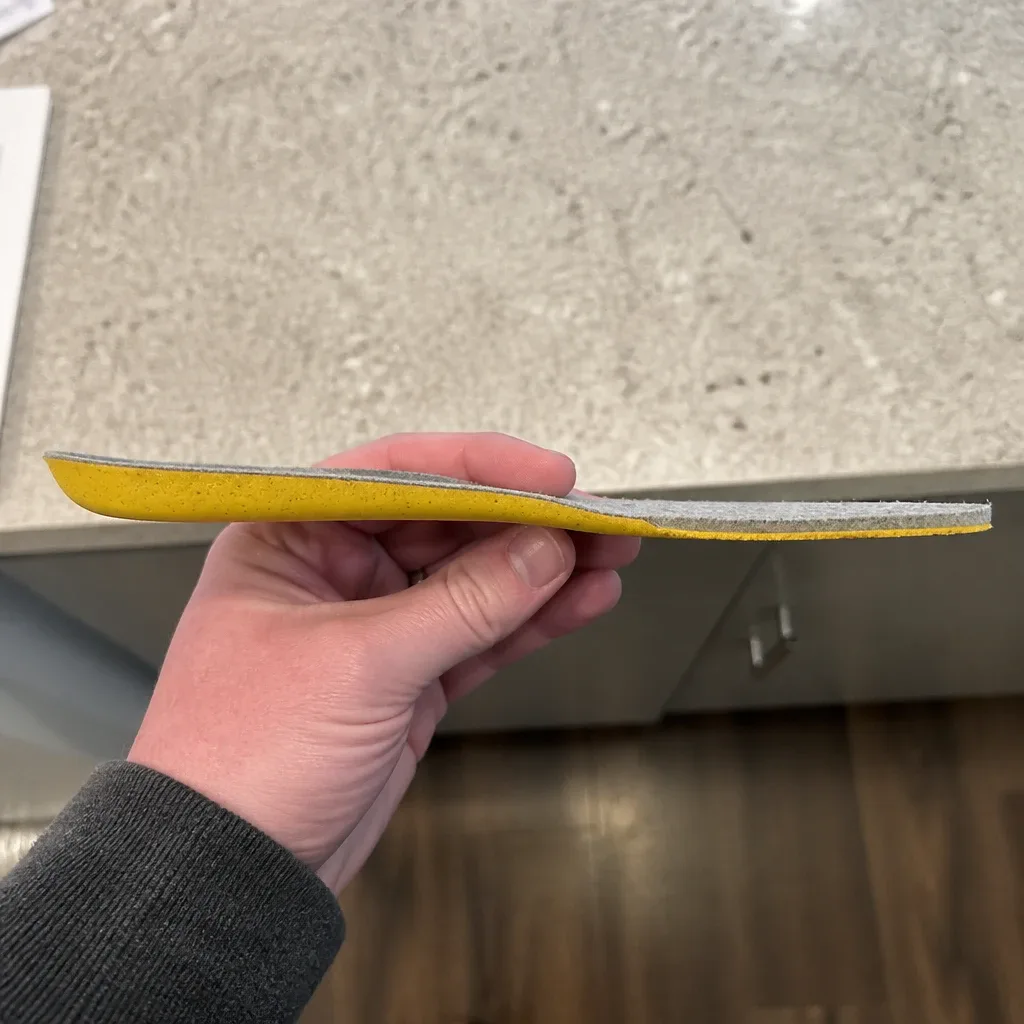
The Featherbed insole does add roughly 2mm more stack height than a stock insole, which is why my laces sometimes looked barely long enough to tie, but the difference wasn't enough to make my foot sit noticeably higher or disrupt my usual shoe size with socks on. That shoe-specific fit is by design: each listed Featherbed variant (the Runner, Runner NZ, Cruiser, and Dasher NZ versions) is tied to its matching Allbirds shoe rather than sold as a universal insert, and the insoles are meant to be swapped into the Allbirds shoe they were sized for, not into arbitrary third-party footwear.
How Do You Wash Allbirds Insoles Without Damaging Them?
A damp cloth handles routine upkeep, but a real refresh on Allbirds' insoles takes an actual hand wash.
A damp cloth wipe-down handles surface dirt between washes, but for a real refresh I hand-washed the insoles separately with a gentle detergent, which lifted odor the damp cloth alone couldn't touch. Spraying them with Lysol instead just masked the smell short-term and left the wool feeling slightly stiffer after repeated use, so I wouldn't rely on that alone. Pet hair, sock lint, and dirt didn't stick permanently either way; a soft brush plus the hand wash cleared all of it out of the merino fibers without leaving residue.
Allbirds' own published shoe-care guidance treats the insole as removable and reinserted after the shoe itself is cleaned: the brand's instructions call for air-drying the shoe for at least 24 hours without a tumble dryer, then reinserting the insole and laces once the shoe is dry. No separate cleaning method specific to the insole material is published beyond that shoe-level guidance, which is why the hand-wash routine above is based on my own testing rather than an official Allbirds recommendation.
Where Does Allbirds Fall Short?
The two clearest weak points for Allbirds' Featherbed Insole are a material downgrade on some runs and inconsistent stock.
The real shortfall I found in my own testing wasn't durability. Nothing crushed or flattened permanently across the whole test period, but upkeep suffered: the wool top layer picks up visible grime on dirt trails much faster than a synthetic top cover would. Pain-wise, I never felt anything sharper than normal end-of-shift heel fatigue, and I'd stop and swap insoles rather than continue wearing them through actual pain if that ever became the case.
More broadly, some owners report that newer production runs dropped the merino wool lining in favor of a firmer, more plastic-like castor-oil material, which they found less comfortable worn without socks. Separately, the insoles have gone unavailable to purchase on Allbirds' own regional storefronts for extended stretches, leaving owners unable to buy replacements for their existing shoes.
Does Allbirds Back Its Insoles With a Guarantee?
Allbirds insoles are Final Sale: they can't be returned or exchanged, even though the brand's shoes carry a generous 30-day trial. Allbirds' own returns and exchanges page lists insoles, gift cards, and other final-sale-tagged items as ineligible for return or exchange under any circumstances, unlike full-price shoes and eligible accessories that qualify for the standard 30-day window. Anyone buying a Featherbed Insole should treat it as a one-way purchase rather than something to try and send back if the fit or feel isn't right.
What's the Price of Allbirds Insoles?
Allbirds markets its Featherbed Insole as priced below comparable standalone replacement insoles, without publishing a fixed price for the insole on its own. The brand's own description frames it as available "at a fraction" of what other replacement insoles cost, though no specific published price point for the insole itself was found separate from the shoes it ships with.
Where Are Allbirds Insoles Sold?
Featherbed Insoles are sold directly through Allbirds' own regional storefronts rather than broadly through third-party retail. They're available through the Men's and Women's Insoles collection pages on allbirds.com and allbirds.co.uk. Search results for "Allbirds insoles" on Amazon are dominated by unrelated third-party generic insole brands rather than the Featherbed product itself, another sign the insole isn't widely distributed outside Allbirds' own site.
Is Allbirds a Good Fit for You?
Allbirds' Featherbed Insole suits existing owners refreshing the stock insole in their Wool Runner, Tree Runner, Dasher, Lounger, or Skipper shoes. It isn't marketed or positioned as a corrective arch-support orthotic. Owners with a specific need for stronger arch support commonly look to dedicated orthotic brands instead of the stock Allbirds insole.
What's My Closing Verdict on Allbirds?
After 21 days and roughly 90,000 steps, the Featherbed Insole performed exactly the way its comfort-first design would suggest: a soft, molded foam-and-fiber build that resists collapsing under real weight but never pretends to be a corrective orthotic. The thumb-press and torsion results stayed consistent through my whole test, the heel cup never lost its shape, and the one issue I ran into, squeaking from trapped moisture, cleared on its own with an overnight air-dry.
The trade-offs to know about going in are the ones that show up in wider owner feedback rather than my own three weeks: some production runs swapped the wool lining for a firmer castor-oil material that owners with sensitive feet find less comfortable, stock has run out on Allbirds' own site for stretches at a time, and the insole is Final Sale, so there's no trying it and sending it back. It's a reasonable pick for an existing Allbirds owner who just wants their shoe's factory feel back; it's not a substitute for a dedicated orthotic if firm arch support is the actual goal.
Michal Sieroslawski is an Entrepreneur, exercise physiologist, and personal trainer who has fitted over a thousand people with insoles. He holds a degree in Sports and Exercise Science from the University of Central Lancashire, where he studied biomechanics, anatomy, and exercise physiology. Since 2020, Michal Sieroslawski has helped local and online businesses get found in Google and AI search.